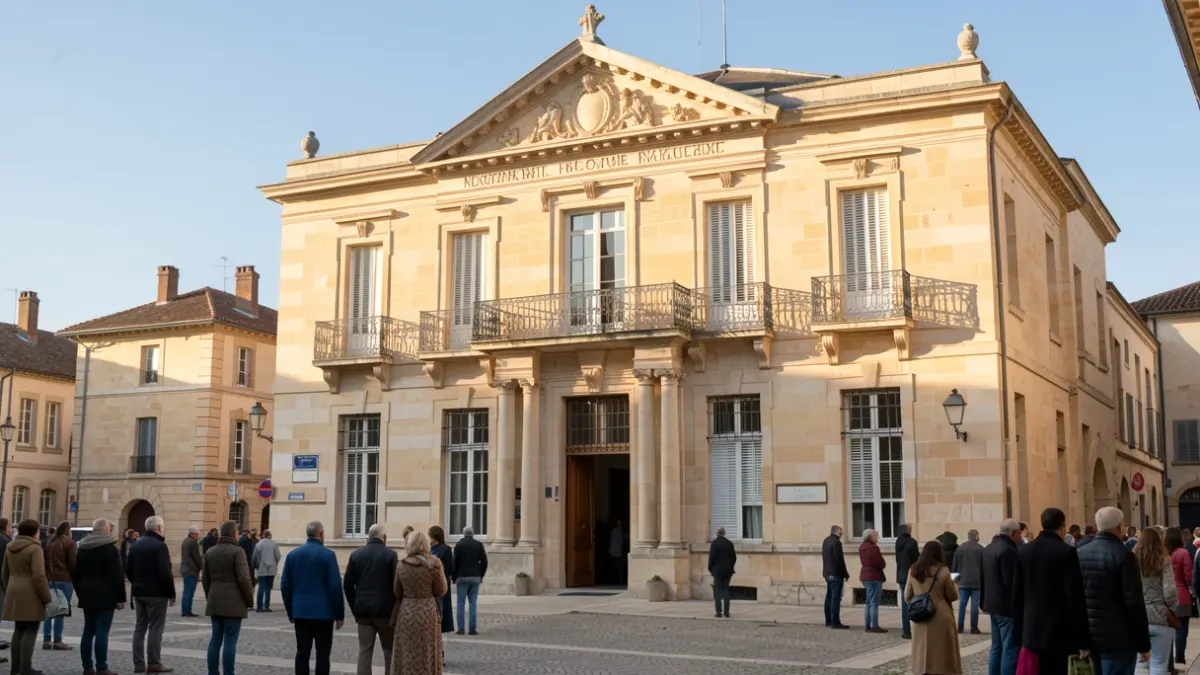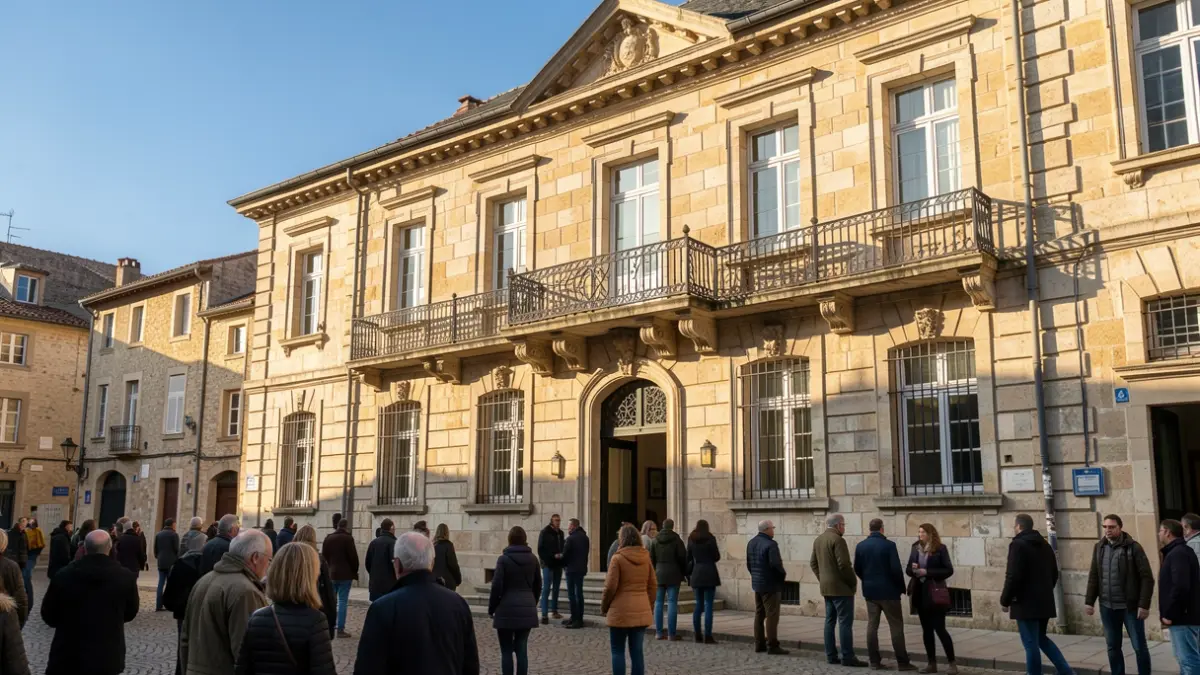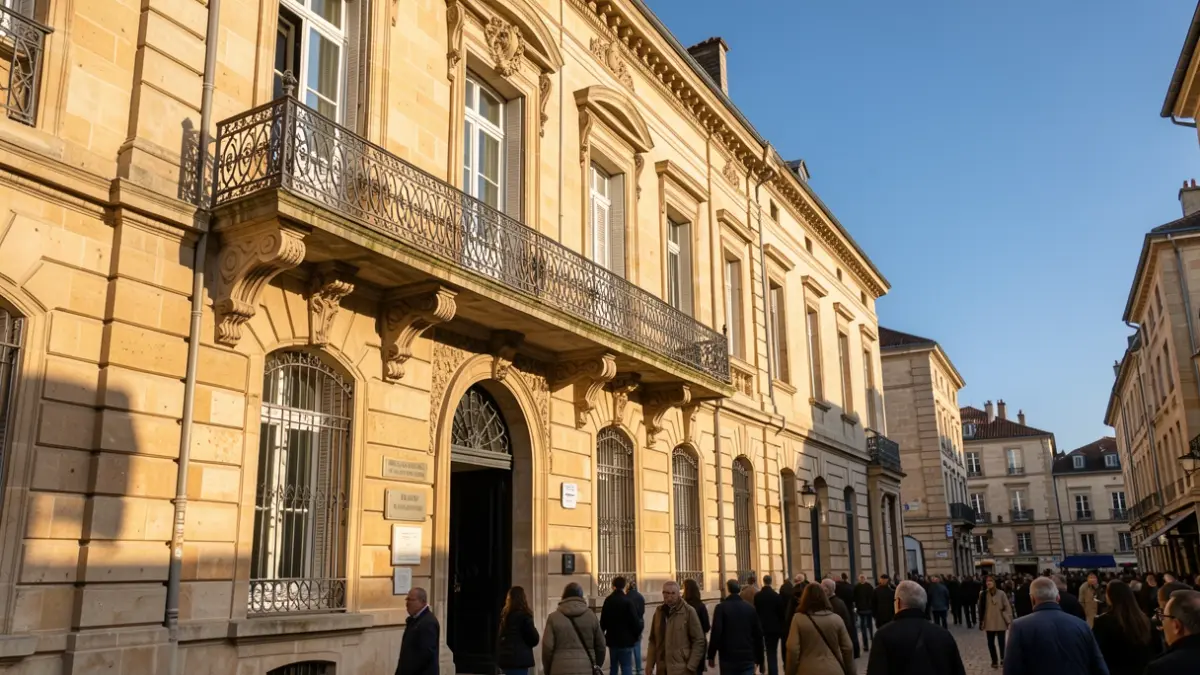
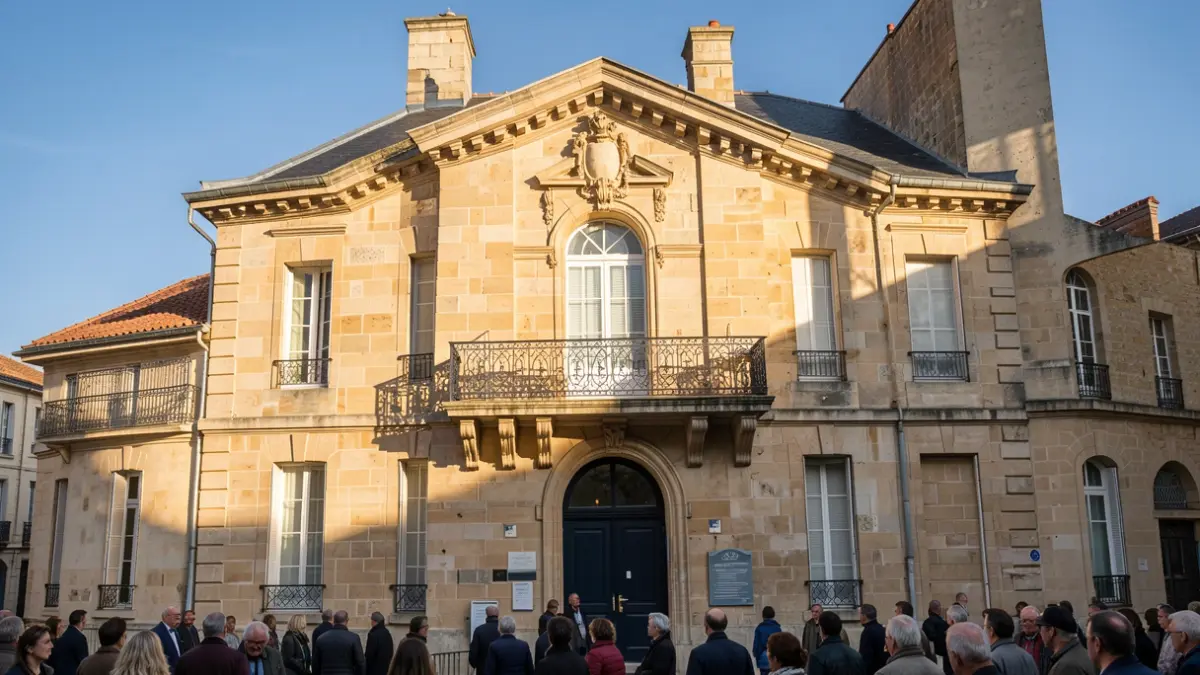
More than forty young residents of Brive officially received their first voter card on Friday, October 30th, during a ceremony in the town hall's ceremonial hall. This event marks their entry into active citizenship.
Attending alone, with friends, or accompanied by a parent, some displayed a neat appearance for the occasion. All seemed somewhat intimidated by the solemn nature of the reception, aware of the symbolic transition, even though most had already reached the voting age weeks prior.
Before receiving their cards, the new citizens toured, in small groups guided by deputy mayors, emblematic areas of the town hall, including the mayor's office and the municipal council chamber. They were informed that the council sessions, where decisions transforming the city are voted on, are public and open to all.
Back in the ceremonial hall, Olivier Bonnichon, second deputy mayor representing Mayor Frédéric Soulier, emphasized that the voter card is "much more than an administrative document." It grants the ability to make one's voice heard and contribute to the future of the commune and the Nation.
The deputy mayor stated that "being a citizen means taking one's place in society," highlighting a shared destiny despite differences, and that democracy relies on mutual respect and the ability to live together. He recalled three key dates: 1848 (universal male suffrage), 1944 (universal female suffrage), and 1974 (lowering the legal voting age to 18), reminding them that democracy is never guaranteed and results from constant struggles for republican principles.
Thérèse Launay, 101 years old, and Jean-Bernard Delpech, who will celebrate his 100th birthday next May, urged the young people to vote, stressing that "a forgotten vote can change the country's life."
Olivier Bonnichon insisted that exercising citizenship requires curiosity, critical thinking, and discernment, and that it also manifests in daily life through solidarity, community engagement, and respect for common rules.
Diane Pompon, one of the recipients, read an excerpt from Victor Hugo's speech on universal suffrage, testifying that "every citizen is free in their thoughts," and that universal suffrage grants freedom, a right, a duty, and the power to change.
Augustin Gille found the ceremony "very joyful," particularly impressed by the municipal council chamber. Anaïs Beril was more touched by the "human aspect," moved by the words of the elders and grateful to participate in republican life.