After two wet years, the winegrowers of Bergerac and Duras faced a particularly dry and hot summer in 2026. Laurence Rival, a winegrower in Singleyrac and president of the Federation of Bergerac and Duras Wines, shares her analysis on the impact of these climatic conditions on wine yields and quality.
Regarding yields, the results are mixed. White wines show higher production than the previous year, accounting for half of the total output. In contrast, red wines are experiencing estimated yield losses of 40 to 50%. The quality of the reds is still difficult to assess, but the dry whites, sweet wines, and rosés are expected to be 'very beautiful: aromatic, fresh, and light,' according to Laurence Rival, who expresses satisfaction despite a complicated season.
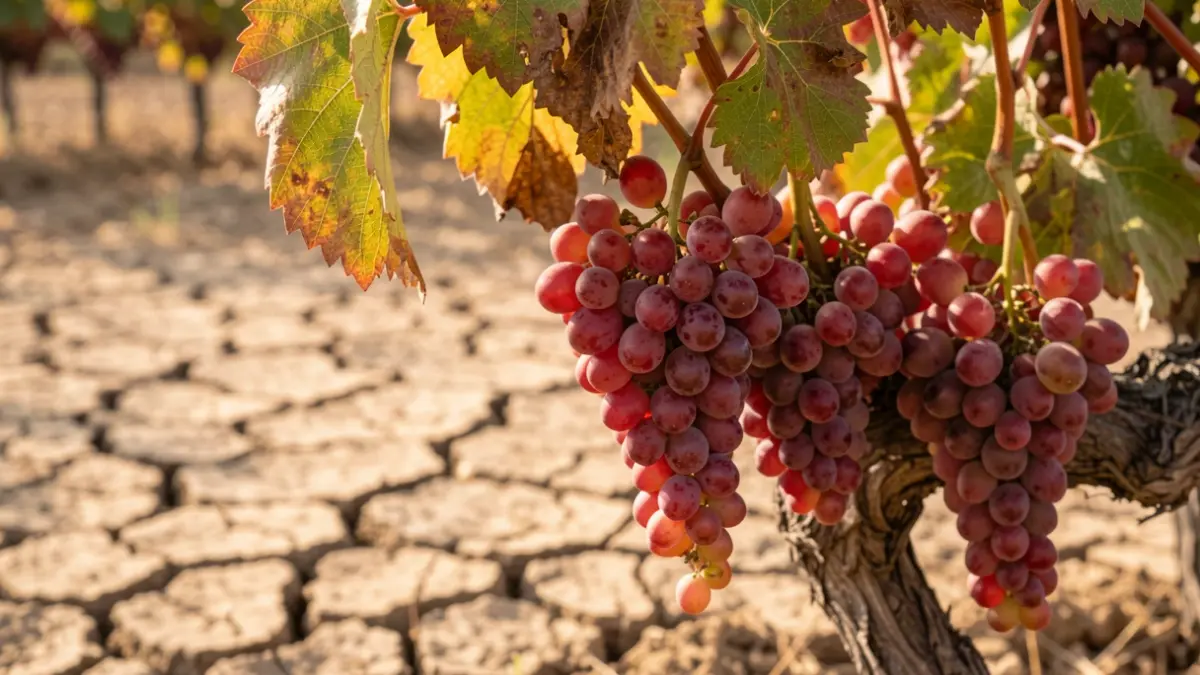
The grape harvest began as early as August 12th, earlier than usual, due to the intense heat of June and July. These conditions particularly affected red grape varieties, which suffered from the summer heatwaves during their maturation. Whites, harvested earlier to preserve acidity, were less impacted. The current better sales of whites and rosés compared to reds are good news for the vineyard.
The vines are clearly suffering from the effects of climate change. Young vines, less than 10 years old, are struggling to establish themselves, and some have even withered. Older vines, with developed root systems, have better resisted the heatwaves.
The federation, with the Dordogne Chamber of Agriculture, is working on introducing new grape varieties, but conclusive results are slow to emerge. Irrigation is another avenue being explored. While previously permitted for IGP but not AOP, Bergerac winegrowers will be allowed to irrigate their vines in 2027, provided they have their own water resources. However, the long-term viability of viticulture remains uncertain if temperatures continue to rise.
Regarding Monbazillac, Sylvie Alem, also a winegrower, reports generally satisfactory yields, especially in terms of quality, with sugar-rich grapes. This vintage will be unique, marked by the absence of botrytis, making it less suitable for aging but more fruity, with notes of apricot rather than candied orange. Production is expected to exceed 60,000 hectoliters, indicating a good year for Monbazillac winegrowers.