Since 2019, the LIFE Wild Bees program has been active within five Regional Natural Parks (PNR) in Nouvelle-Aquitaine to better understand wild bees and slow their decline. A key objective is to promote the use of plants adapted to these pollinators in green spaces managed by local authorities.
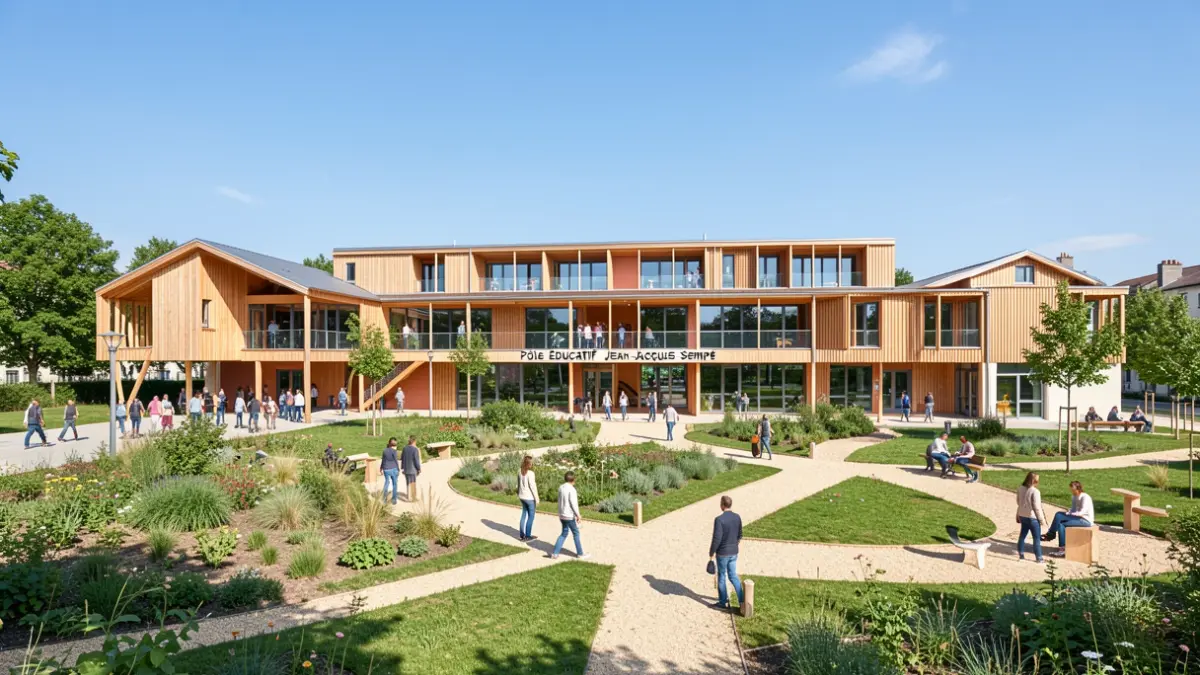
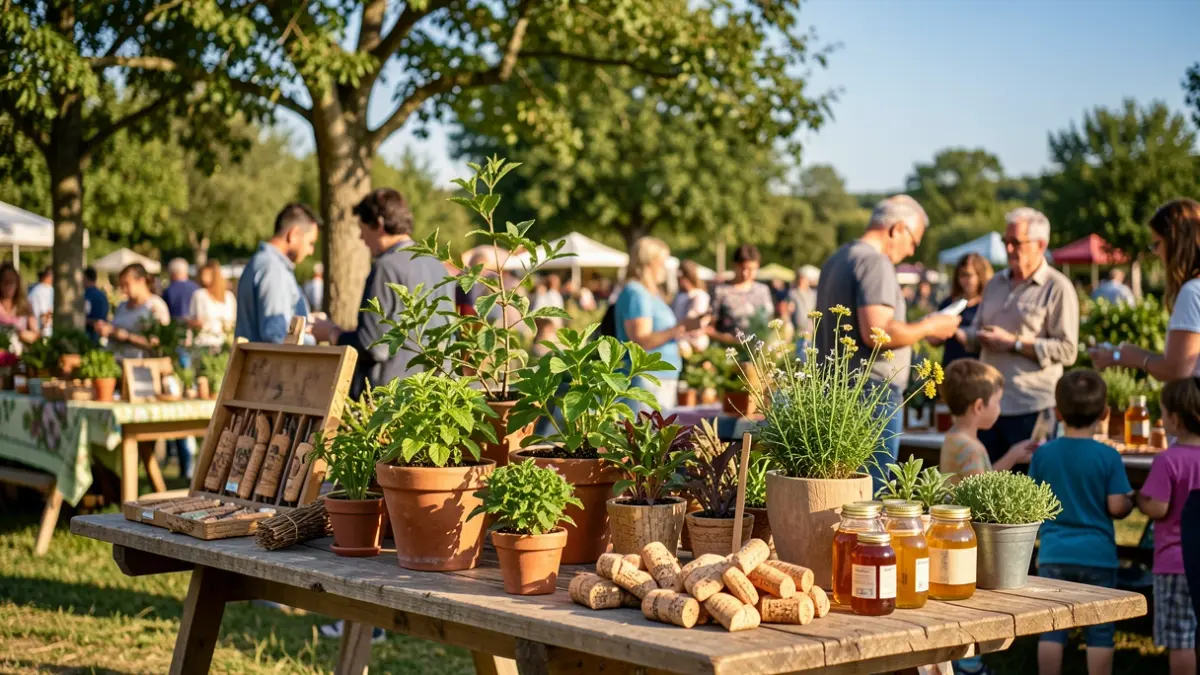
In Périgord-Limousin, six 'buzzing gardens' projects have been created with the Park's support, including the purchase of pollinator-friendly plants. Training and advice on vegetation have also been provided to local communities. Furthermore, 'Végétal local' seed packets have been distributed to town halls and individuals, an action recently subject to evaluation.
The 'Végétal local' label guarantees that the plants are wild, not genetically selected by humans, and collected in their natural environment according to precise standards. It also ensures the local origin of the plants, sourced from the bioclimatic region where they will be used, guaranteeing their adaptation to local environmental conditions.
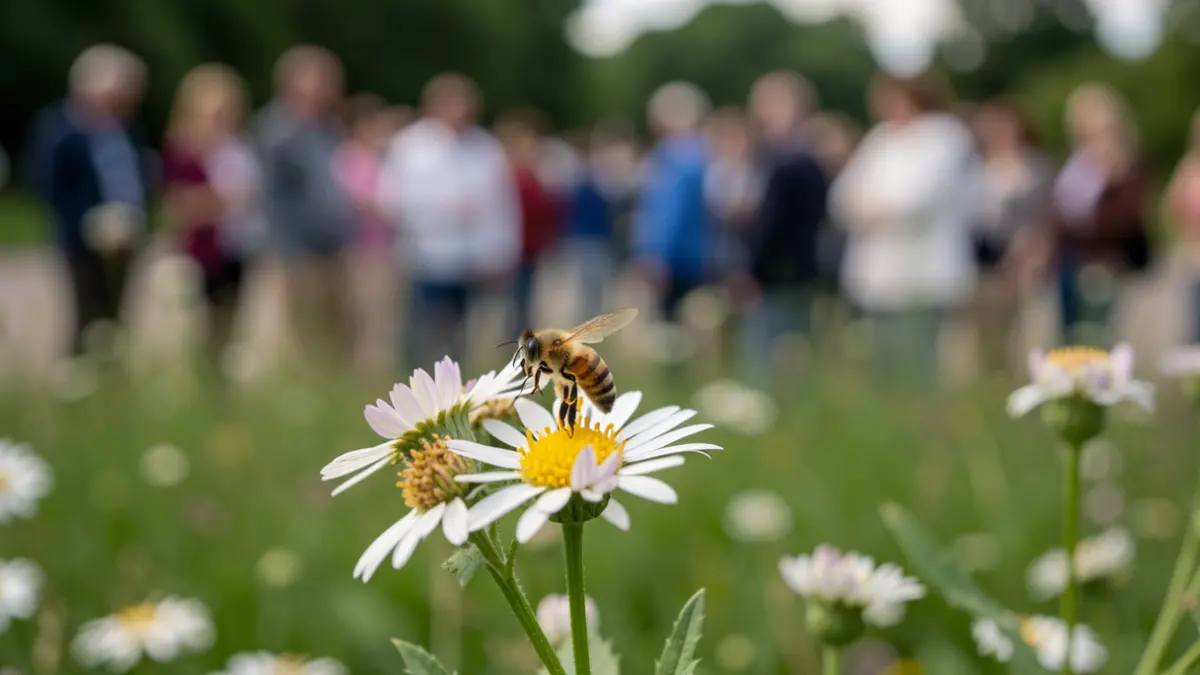
The benefit of using wild and local plants lies in their ability to provide pollen and nectar suited to indigenous bees. As each bee species has specific floral preferences, local plants are crucial for their survival. The Park thus encourages the use of local flowers, such as Cornflowers, Poppies, Oxeye Daisies, and Yarrow, to beautify towns.
As the LIFE Wild Bees program approaches its end, an evaluation of the 'Végétal local' action has been conducted to measure its impact and identify areas for improvement. An online questionnaire and a series of interviews with local stakeholders (elected officials, municipal agents, professionals) have gathered feedback.
Local authorities express general satisfaction: 68% are completely satisfied and 32% rather satisfied. The results of the sowings are more varied, appearing better when carried out in autumn, as some seeds require cold for germination. Summer weather conditions hindered the development of flowers sown in spring, although germination may still occur next spring.
This initiative aims to balance biodiversity preservation with the recreational and decorative use of public green spaces. The study's results are still being analyzed and will form the basis of a final thesis. The LIFE program will conclude at the end of December 2027.