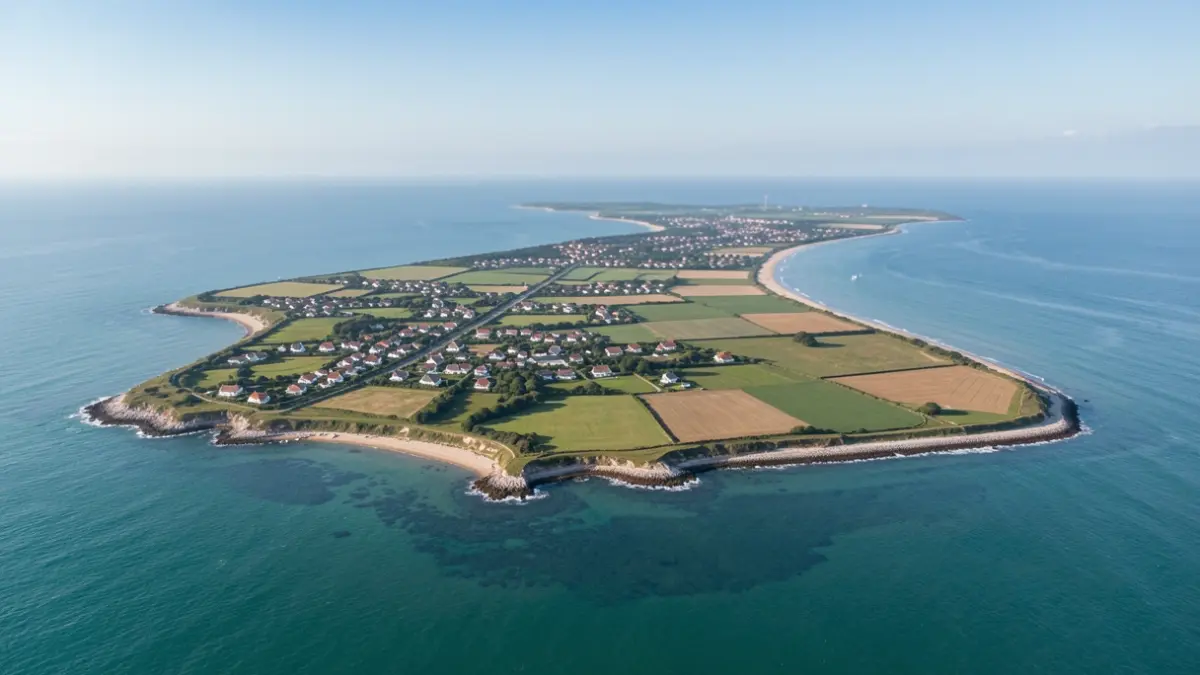
Following the redevelopment of the four lake beaches in 2025, this second project illustrates the commitment to balancing improved public access, adaptation to coastal erosion, and the preservation of natural spaces. This initiative is part of a comprehensive approach launched in 2021.
Hossegor, with its eight supervised beaches spread between the marine lake and the wild coast, faces diverse challenges in public reception, visitor management, and the preservation of natural environments. As part of the regional policy for sustainable beach development, a preliminary study was conducted in 2021 and finalized in 2022, defining an intervention program.
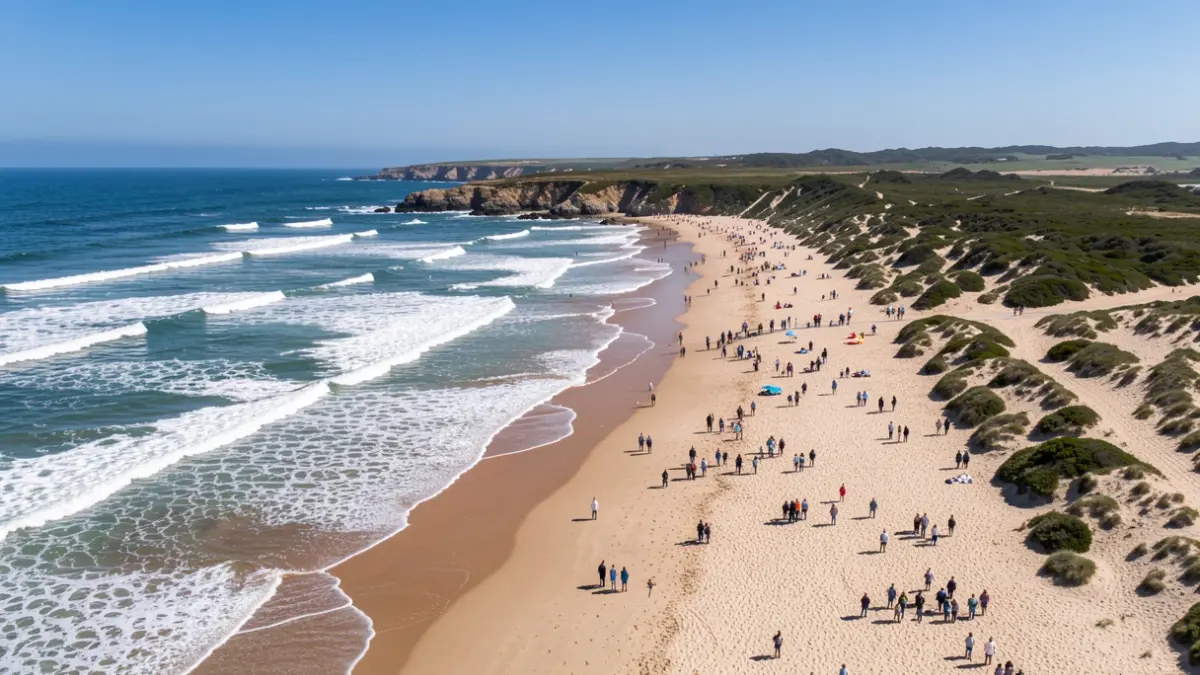
The project was implemented in two phases. The first, completed in spring 2025, focused on the lake beaches (Parc, Blanche, des Chênes-Lièges, and du Rey), improving access points, pathways, accessibility for people with reduced mobility, and signage. The second phase, carried out in the first half of 2026, addressed the ocean beaches of La Gravière and Naturiste, with developments tailored to the specificities of these particularly sensitive natural dune areas.
On the wild coast, interventions prioritized a minimalist approach, limiting site artificialization. Surveillance equipment was repositioned for greater long-term functionality against coastal erosion. Beach entrances and pedestrian paths were redeveloped to improve public reception and channel visitor flow. Additionally, bicycle parking facilities were enhanced to encourage alternatives to individual car use.
These works, costing €650,000 HT for the ocean beaches, received financial support from the European Union (FEDER), the Nouvelle-Aquitaine Region, and the Landes Department. The Banque des Territoires also supported the project studies. In total, €1.35 million HT has been invested in the sustainable redevelopment of these six beaches.
This regional policy for sustainable beach development, managed by the GIP Littoral, aims to reconcile user reception and safety, preservation of natural spaces, visitor management, and adaptation to climate change effects. Nearly half of Nouvelle-Aquitaine's 190 supervised beaches have already benefited from a completed or ongoing sustainable redevelopment program.