The Conservatoire d’espaces naturels de Nouvelle-Aquitaine and the MAPCa Association organized, from October 27 to 30, 2026, a participatory workshop at the Moulin de Prugnolas site in Royère-de-Vassivière. This initiative is part of the national ERABLE program « Raconter le vivant pour agir » (Telling the living to act).
The objective of this low-tech approach is to restore the self-regenerating capacity of water flows and wetlands. By improving their hydromorphological, hydrological, and ecological functioning, the project aims for better adaptation to climate change and increased carbon storage.
The Prugnolas site, owned by CEN Nouvelle-Aquitaine, is a former pond that was removed in 2023. It is one of five French sites selected for the « Pour des rivières vivantes » (For living rivers) project within the ERABLE program, led by the Lyon Metropolis and the MAPCa association.
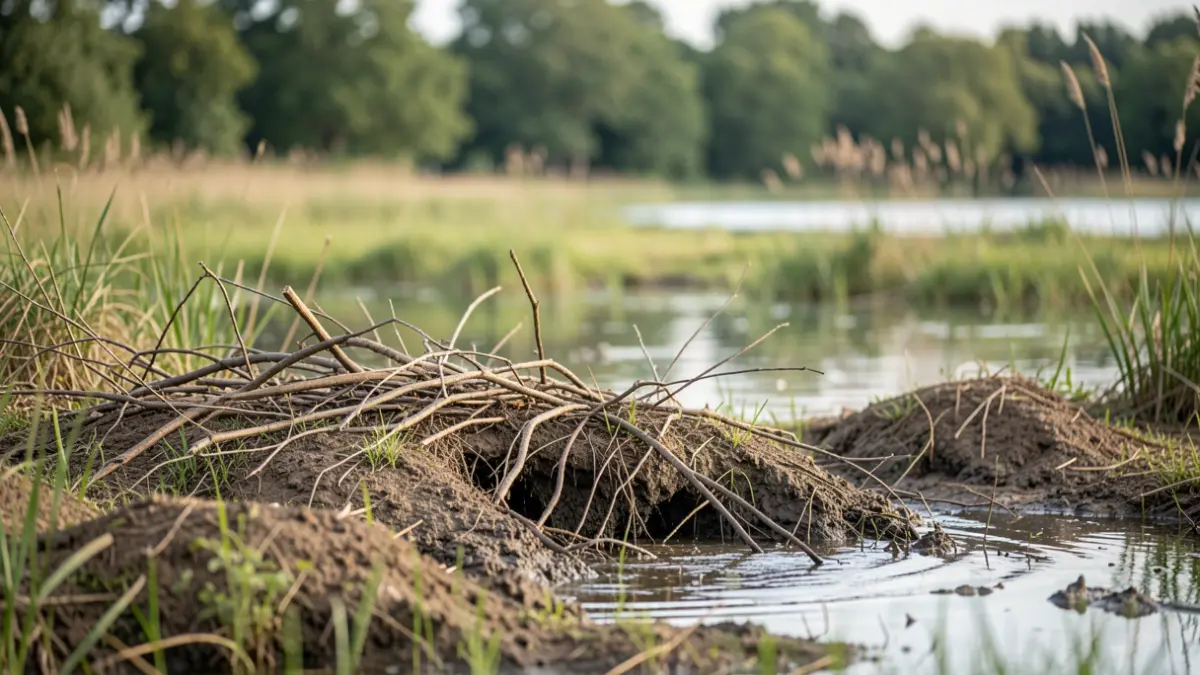
On October 29, 2026, two agents from the GEMAPI service participated in a conference on possible engineering techniques, such as flow-splitting islands, Beaver dams, or bank deflectors. These methods aim to regenerate the complexity of living river dynamics, thereby promoting biodiversity and the resilience of the environment against climate shocks.
In the afternoon, participants experimented with these techniques by building beaver dams and flow-splitting islands on the Prugnolas peat bog.