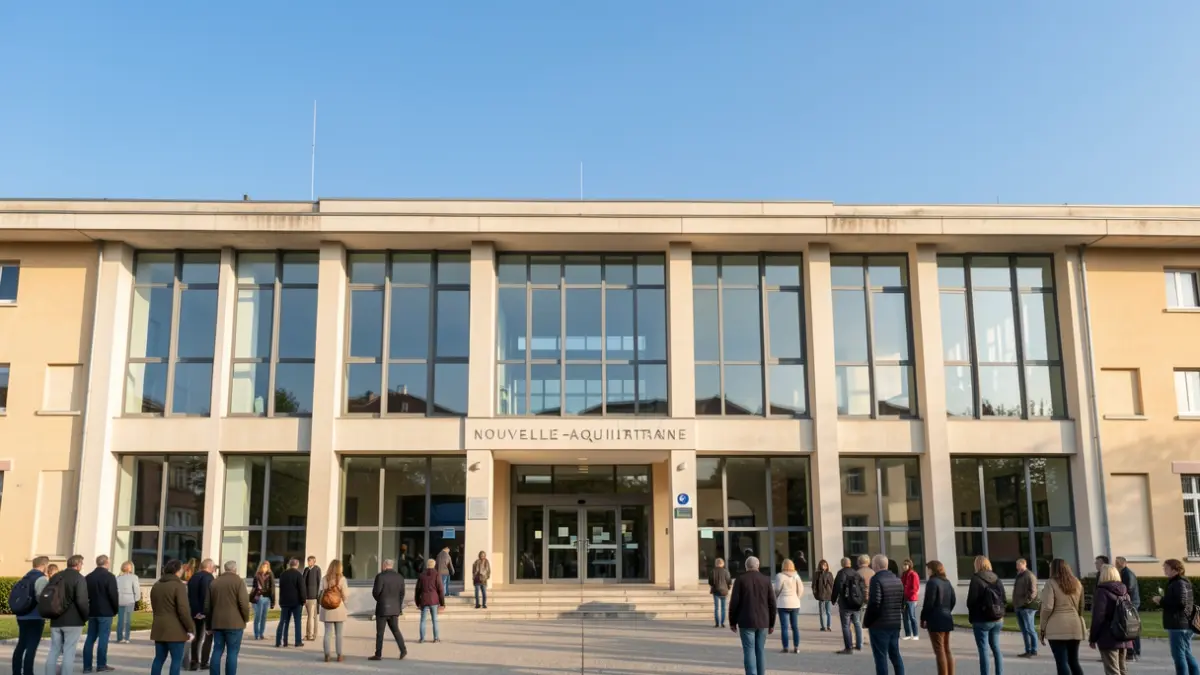
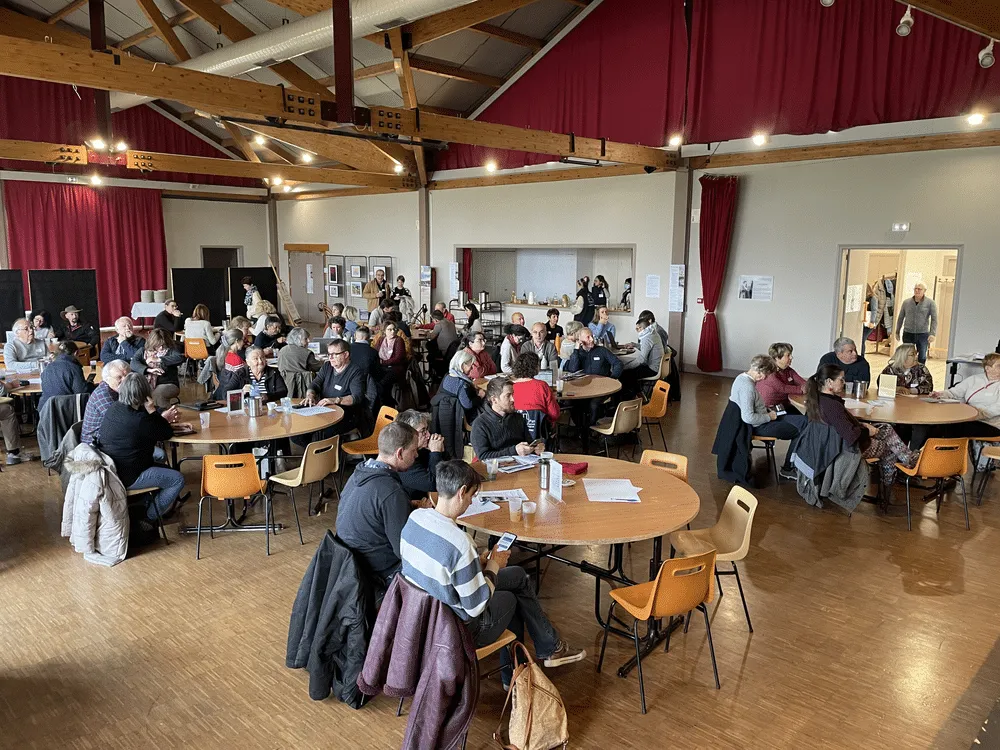
Following a vulnerability assessment conducted in 2025, the Parc naturel régional Périgord-Limousin launched a new phase of work this autumn to develop a climate change adaptation strategy. The goal is to anticipate the profound transformations necessary for the territory's habitability. During the meeting on November 3rd, the consulting firm BL Evolution led a workshop to identify participants' opportunities and concerns. The two main issues raised were the unequal sharing of water resources and the lack of resources allocated to adaptation.
The inter-municipal level is considered crucial. The Park engaged the communauté de communes Porte Océane du Limousin, which shared its recent reorganization to prioritize transitions, including the establishment of a dedicated service and the appointment of "eco-planner" elected officials in each municipality. Updates to the territorial climate-air-energy plan and the development of an inter-municipal local urban plan are scheduled for 2027.
The day also aimed to identify exemplary actions. Fifteen actions were presented during a "nugget fair," supported by various stakeholders such as inter-municipal communities, unions, and associations. These initiatives include pre-work prospecting, rainwater harvesting, the implementation of an inter-municipal safeguard plan, and wetland restoration.
Five thematic visits were also offered to make adaptation operational: the town of Rochechouart to analyze urban planning in the context of climate change, the school in Rochechouart for its building rehabilitation and courtyard de-sealing work, the Boischenu pond on water usage, the farm L’Oignon fait la force facing climate challenges, and a private forest in Cussac managed with continuous cover mixed forestry.
The strong participation of elected officials is an encouraging sign. The 4th adaptation day is scheduled for autumn 2027.