
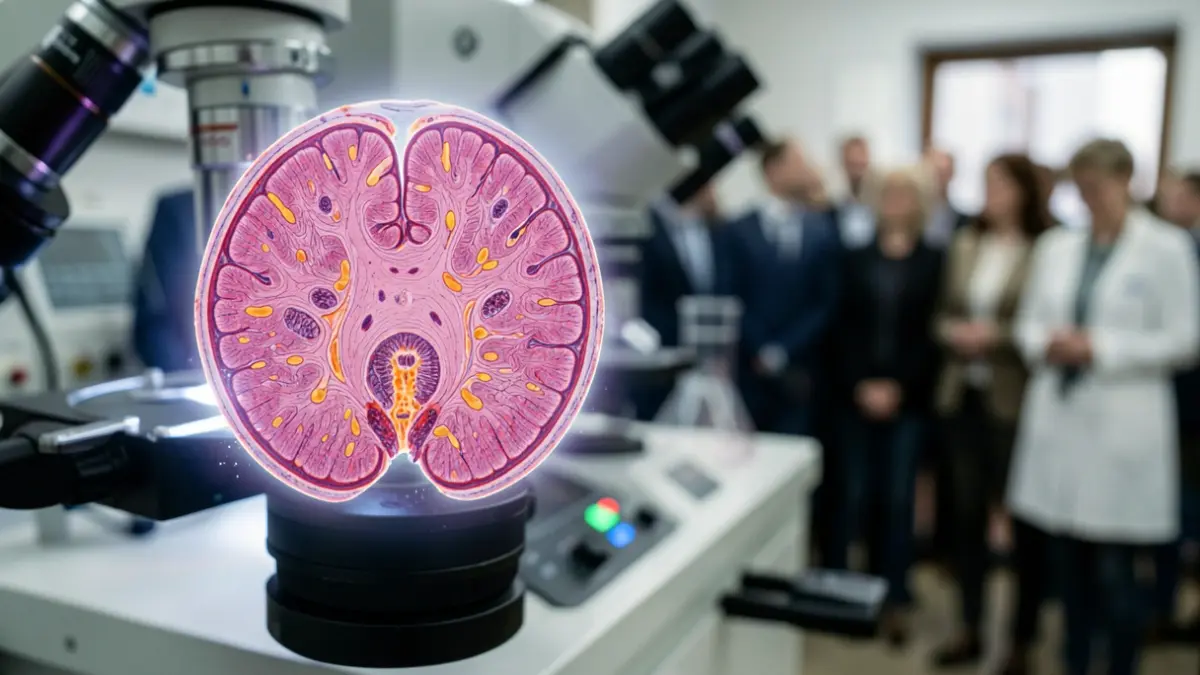
How can the long-term psychological consequences induced by cannabis exposure during adolescence be explained? The team led by Giovanni Marsicano at the Neurocentre Magendie in Bordeaux, in collaboration with a team from Barcelona, has for the first time identified a mechanism responsible for this phenomenon in mice. This discovery could eventually pave the way for the development of preventive approaches.
The research, published in the journal Neuropsychopharmacology under the reference C. Ioannidou et al, highlights a transient mitochondrial switch that underlies the lasting effects of adolescent cannabis use.