
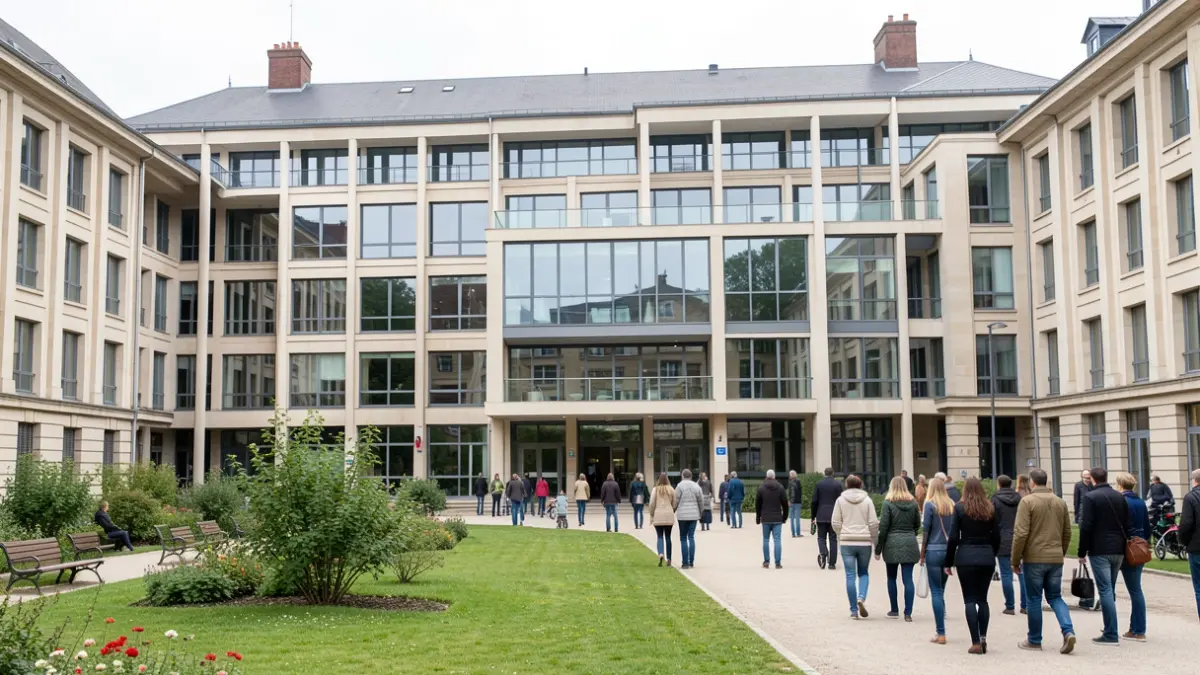
Attending a class, speaking in tutorials, working in groups, understanding a teacher's expectations, or navigating a campus can present significant challenges for individuals with neurodevelopmental disorders. In response, the University of Bordeaux has launched the Atypie-Friendly program.
This initiative targets both the affected students and the entire university community, with the goal of raising awareness about different cognitive functioning and making the university more accessible to everyone.
The university's article highlights the contributions of Florian Laronze, a postdoctoral researcher in cognitive sciences and program coordinator, and Bernard N’Kaoua, a teacher-researcher in cognitive sciences and head of the program.
Research forms the bedrock of this project. The Bordeaux-based team collaborates closely with the Centre Ressources Autisme (CRA) Aquitaine and the SOUND center of excellence, dedicated to neurodevelopmental disorders. This center, accredited in 2025 and hosted at the Charles Perrens hospital, is led by Anouck Amestoy, a hospital practitioner and university professor (PUPH) and researcher at INCIA, involving numerous research teams across Nouvelle-Aquitaine.