The final evaluation of the first Climate Plan, covering the period 2020-2026 and comprising 46 actions across 5 axes, has been completed. In parallel, a new territorial diagnosis has assessed energy consumption, greenhouse gas emissions, air quality, renewable energy production, and the Grand Cubzaguais's carbon storage capacity. A vulnerability assessment was also conducted to identify the concrete impacts of climate change on the region.
Initial findings are encouraging: both energy consumption and greenhouse gas emissions are slightly decreasing. While momentum has begun, the pace needs to accelerate to achieve the goal of carbon neutrality by 2050.
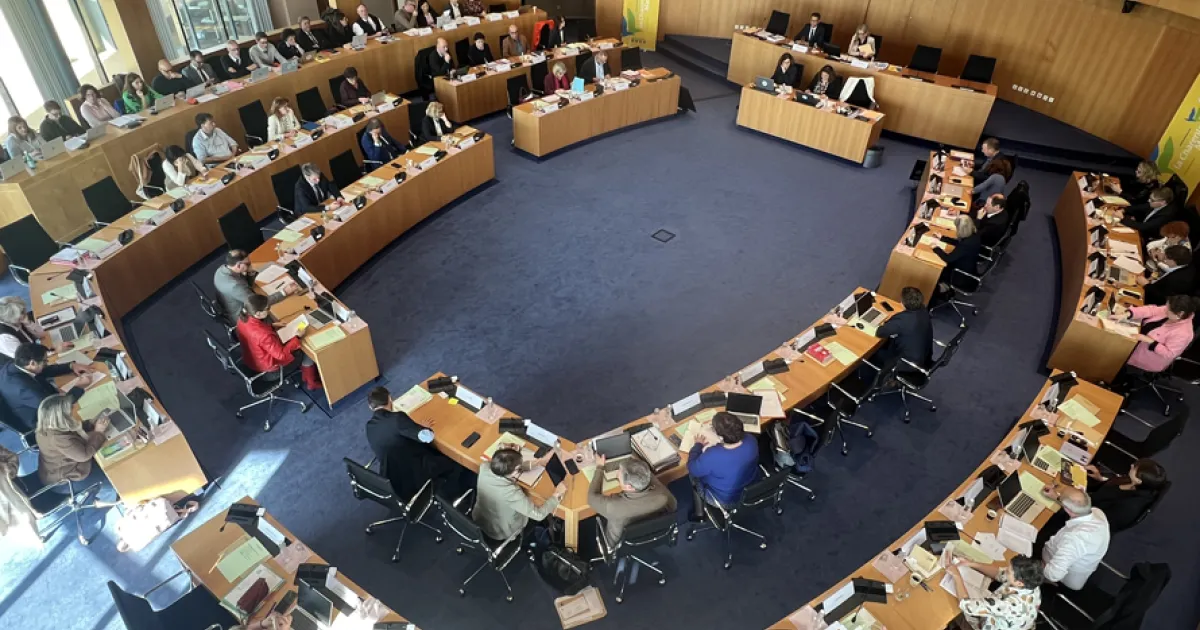
This data will inform the writing workshops for the next action plan, scheduled for November and December. These workshops will bring together elected officials and technical and financial partners of the territory to translate the strategy into concrete actions for the next six years.
The development of the next Climate Plan is also open to residents. Two major events are planned: in January, an in-person public consultation workshop (date and location to be announced soon); and from March to June, a broad public consultation on the first version of the action plan.