Since 2018, on-site research has examined over 300 adults and 600 children, yet no adult women were included in the studied cohorts. This gap is particularly regrettable as initial field observations suggest women appear significantly less affected than men by chronic mountain sickness, possibly due to the protective effect of female hormones against severe oxygen deprivation.
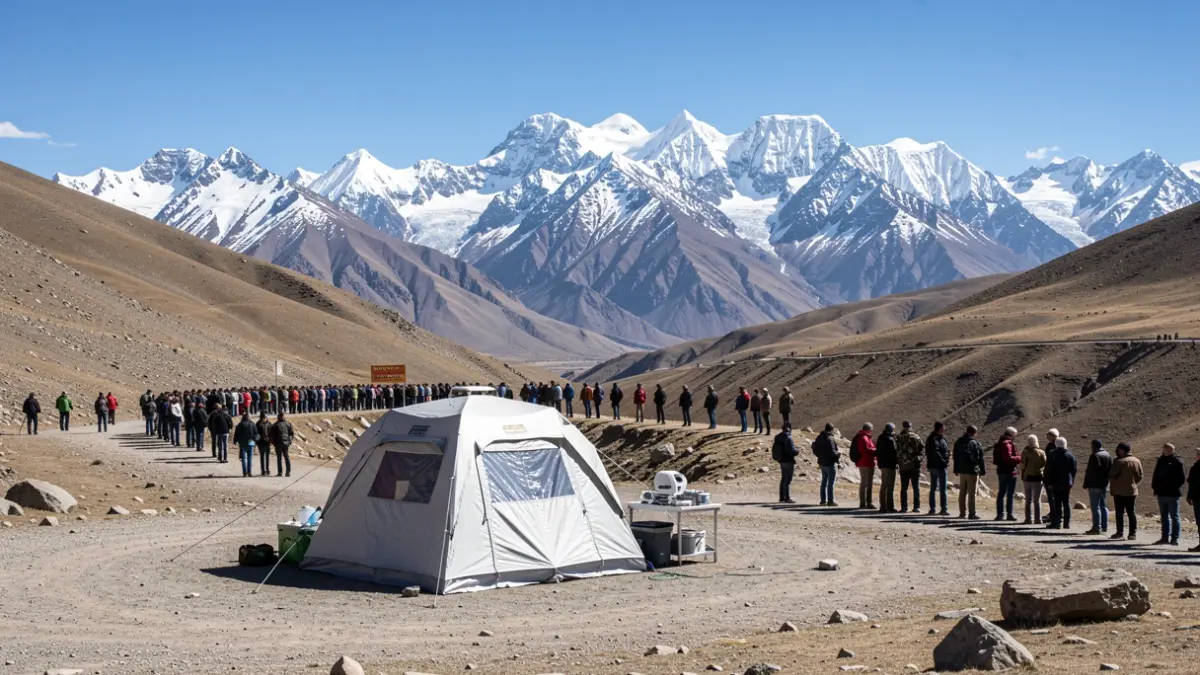
To test this hypothesis, a research team, including Aurélien Pichon, Dean of the Faculty of Sport Sciences at the University of Poitiers and researcher at the Move laboratory, has set up a fully equipped physiology laboratory at an altitude of 5,300 meters. The study involved 120 volunteers, 80 of whom were women, undergoing a comprehensive clinical protocol including cardiovascular ultrasounds, extensive blood analyses, and respiratory monitoring.
The impact of this mission, named Expedition 5300, extends beyond high-altitude populations. Understanding how the female body adapts to or resists oxygen deficiency holds significant clinical interest, potentially improving public health for women in extreme environments and advancing the management of common pathologies involving chronic hypoxia, such as sleep apnea and chronic obstructive pulmonary disease.
The project is structured as a Scientific Interest Group (GIS), engaging several leading academic and hospital institutions, including the University of Poitiers, the University of Grenoble Alpes, the University Claude Bernard Lyon 1, the Grenoble Alpes University Hospital (CHU), and the National School of Mountain Sports (ENSM), along with scientific partners like Inserm and IRD. By rigorously documenting female biological specificities, this mission underscores the vital ambition of ensuring more precise and equitable medicine based on understanding all human physiologies.