The Agro-environmental and Climate Measures (MAEC), a component of the CAP (Common Agricultural Policy), are consistently successful in the Dropt watershed. This program, established several years ago, continues to attract significant interest from farmers.
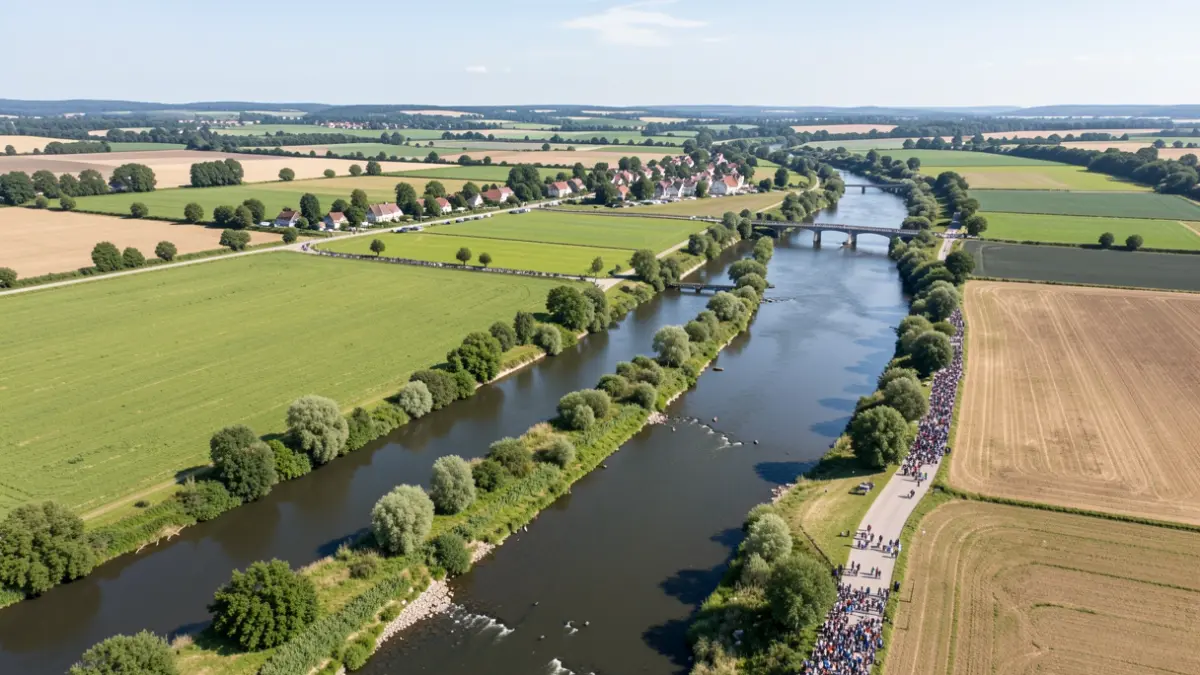
The Dropt watershed offers two MAEC application areas: one downstream of Moustier – Allemans du Dropt, along the river and its tributaries, covering the Natura 2000 sites "Réseau hydrographique du Dropt" and "Grottes du Trou Noir"; the other upstream of La Sauvetat du Dropt, linked to the presence of ZNIEFF (natural areas of ecological, faunal, and floral interest), co-managed with the Dordogne Chamber of Agriculture.
Voluntary farmers participating in these areas receive annual financial compensation per hectare, in exchange for adhering to strict specifications. Contracts are now for a duration of 3 years.
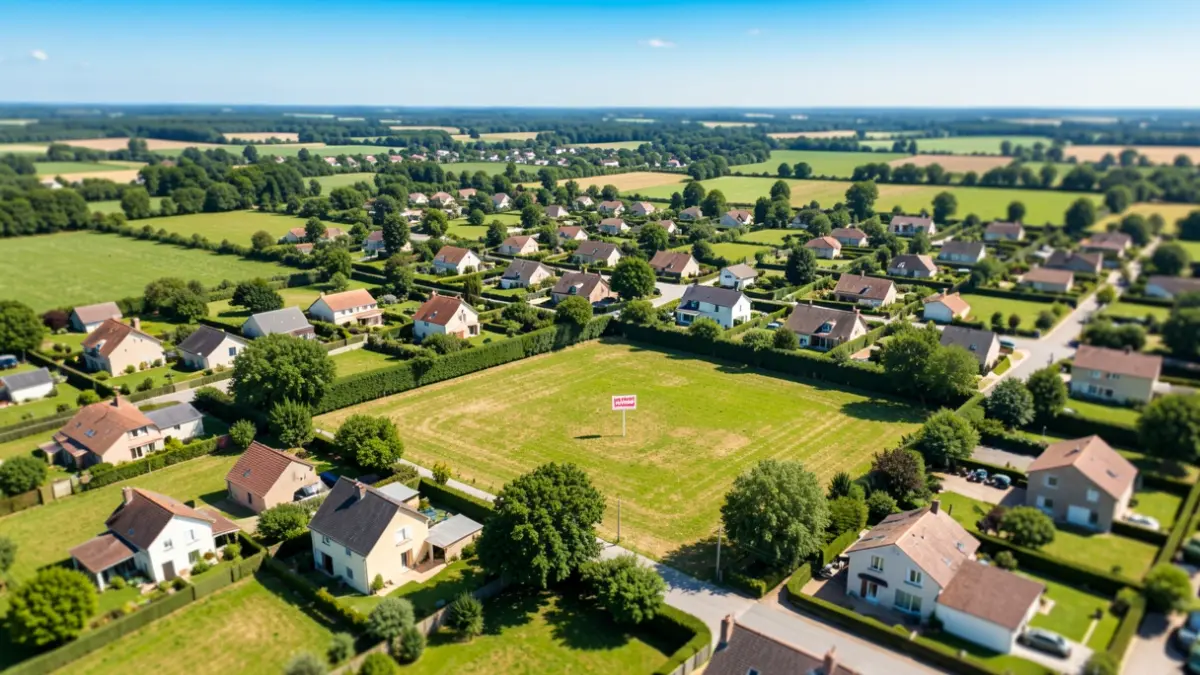
These measures aim to reconcile the biodiversity challenges of the diverse Dropt territory with agricultural practices. They include the implementation of "herbaceous cover" to enhance water quality through buffer zones, delayed mowing to allow for the complete life cycle of species, and support for the preservation of wet meadows, which are crucial for flood control, natural low-flow support, cooling, and water purification.
For the year 2026, despite overall budgetary constraints, financial envelopes were allocated following discussions with the DRAAF. The downstream sector, covering Natura 2000 sites, received €150,356 for 13 engaged farms. The upstream sector benefits from €83,794 for 10 engaged farms.
Within the Natura 2000 site "Réseau hydrographique du Dropt", MAEC have been in place since 2017 as part of the site's agricultural management, led by Epidropt since 2020. The results of these measures are detailed in an infographic.