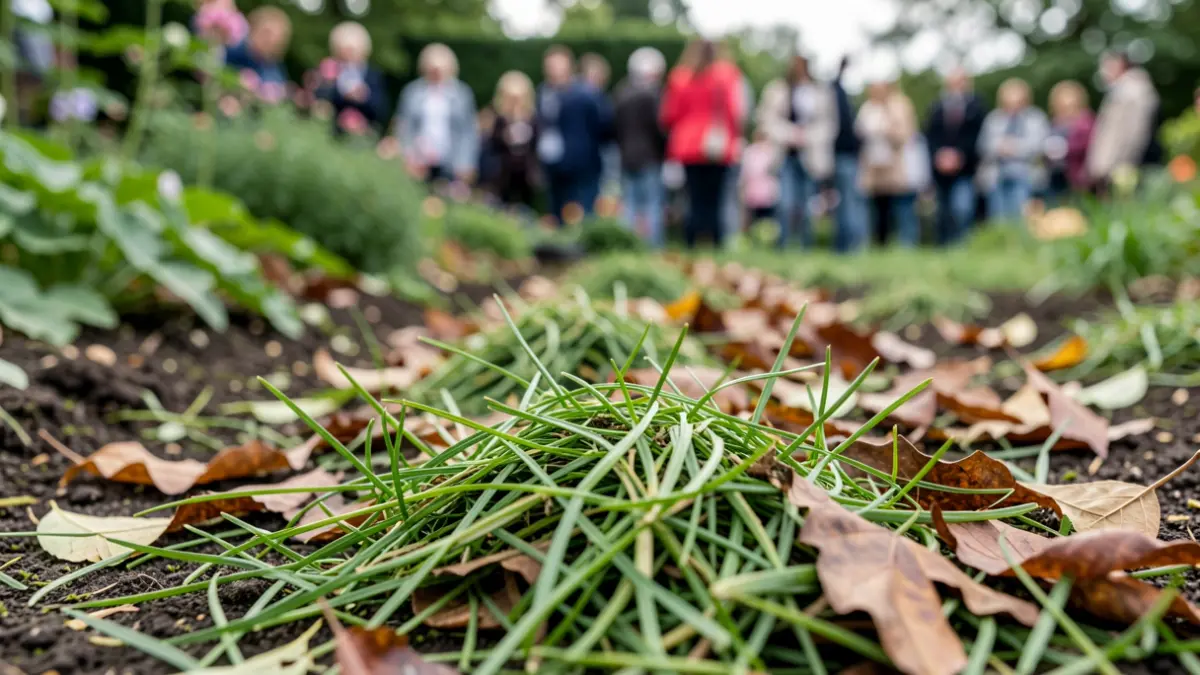
This change aims to encourage users to utilize this green waste directly in their gardens. Cut grass and dead leaves are presented as valuable resources, rich in water and organic matter, helping to preserve soil moisture, reduce watering needs, and naturally nourish the earth.
These residues currently represent 30 to 40% of the 1,000 tonnes of vegetation collected annually. Their direct use would reduce waste disposal site intake and conserve water resources, which make up about 80% of this residue.
This decision is part of national and regional environmental regulations, including the Grenelle II, LTECV, and AGEC laws, which mandate source separation of bio-waste and a progressive reduction in waste production per inhabitant. This is being implemented in the Creuse Grand Sud territory through the Nouvelle-Aquitaine Region's Regional Waste Prevention and Management Plan (PRPGD) and the Local Waste Prevention Program (PLPDMA) developed by the Évolis 23 syndicate.
To adapt, it is advised to mow less often and shorter, use clippings and leaves as mulch, or opt for mulching mowers that leave finely cut grass on the lawn to nourish the soil.
The article also debunks common misconceptions, stating that a well-maintained garden can coexist with areas left to grow longer and that snakes are not attracted to taller grass.