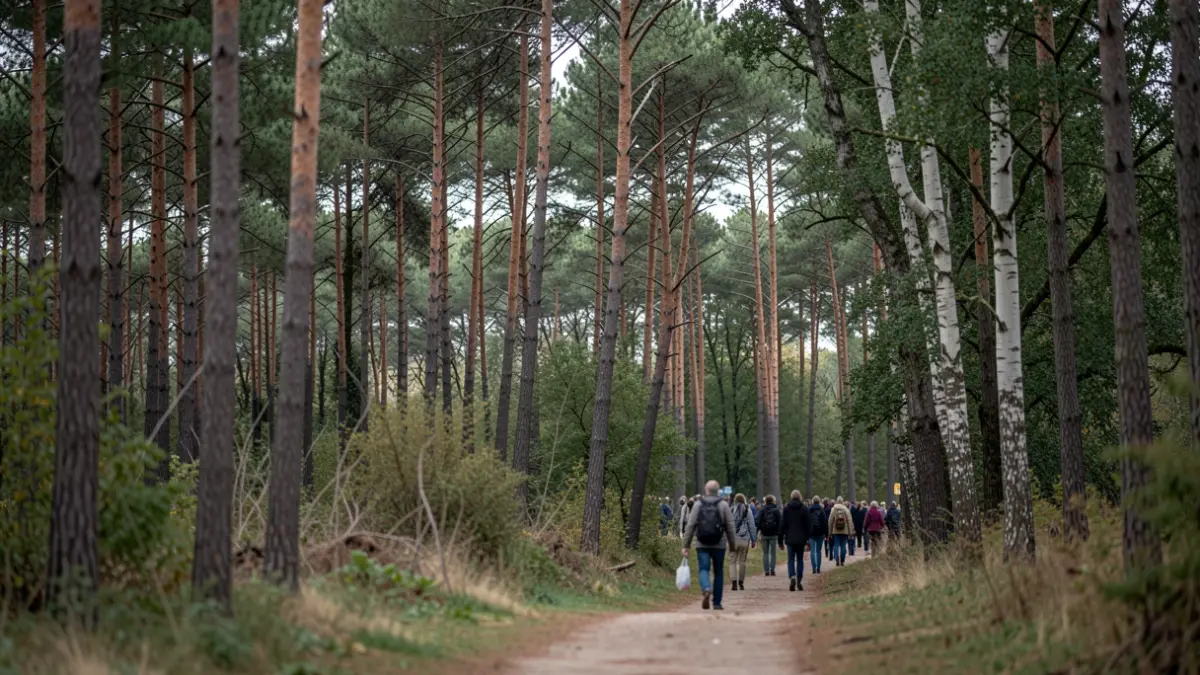
Located in Blanquefort, the Tanaïs forest, a unique natural space situated between the metropolis and the Médoc region, is receiving special attention for its preservation. Formerly a 64-hectare vineyard property transformed into a military camp, the site was acquired by the city in 1995. After decades of abandonment, nature had reclaimed the land, necessitating numerous safety and clearing campaigns to allow residents to reconnect with the area.
Classified as a 'Sensitive Natural Area' in 2022, the site aims to manage its rich biodiversity without exploiting it. The objective is to minimize logging and pruning while ensuring visitor safety on marked trails. The heart of the forest thus develops naturally, without direct human intervention.
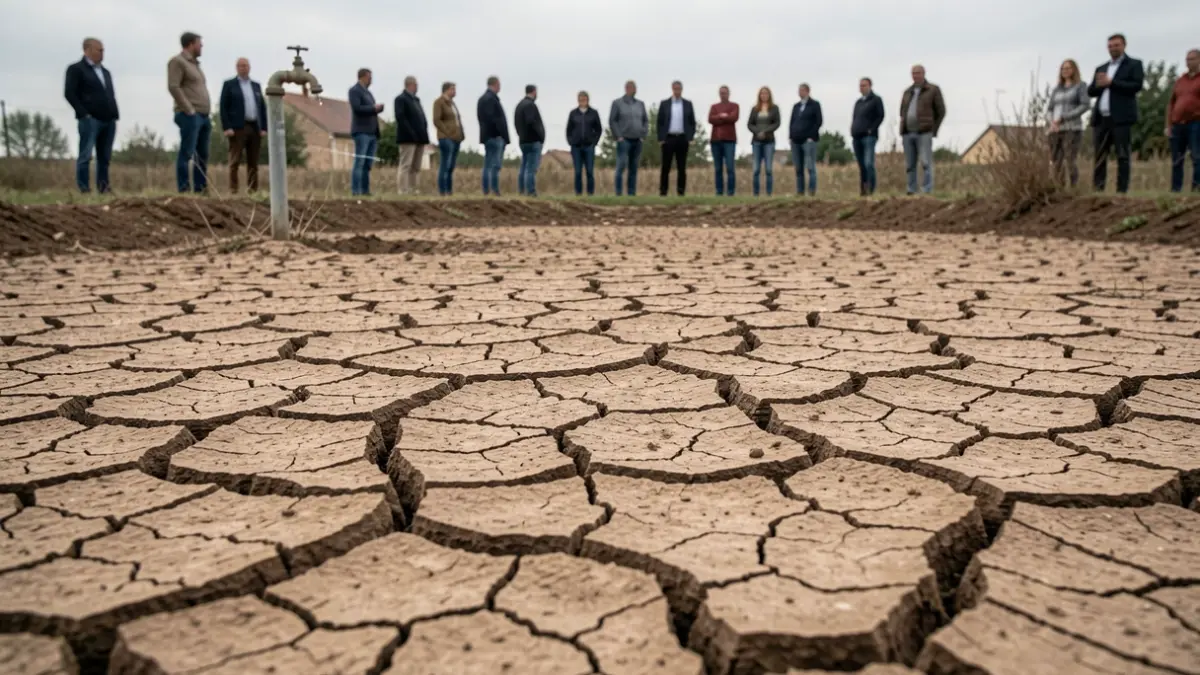
However, Tanaïs is suffering from climatic pressures. Water stress and damage caused by the reticulated bug, along with the proliferation of invasive exotic species like the black locust and late cherry, are weakening the site. According to Laurent Viennet, a forestry technician at the National Forestry Office, without concrete actions, the original forest landscape risks disappearing, replaced by these invasive species.
To combat this degradation, the city has been coordinating maintenance efforts for several years, including rotational grassland management, which is essential for preserving the local ecosystem, carbon storage, and soil protection. Furthermore, an experiment conducted in collaboration with the ONF since March 2025 involves replanting a fragile hectare with various tree species more resistant to water stress, such as maritime pine, Iberian oak, cork oak, pear, and apple trees. The evolution of these plantings is closely monitored to adapt the forest to future climatic conditions.