The intensification of heatwaves makes summer comfort in buildings a major challenge for territorial adaptation. In 2026, the Alec and its partners are publishing an analysis to anticipate cooling needs and better prepare territories for future heat.
The issue of cooling, long secondary in energy and climate policies, is becoming increasingly important with climate change. To address questions about which buildings will need cooling, to what extent, and with which solutions, the Alec, ADEME, and a’urba have undertaken a characterization of cooling needs as part of the energy planning for Bordeaux Métropole.
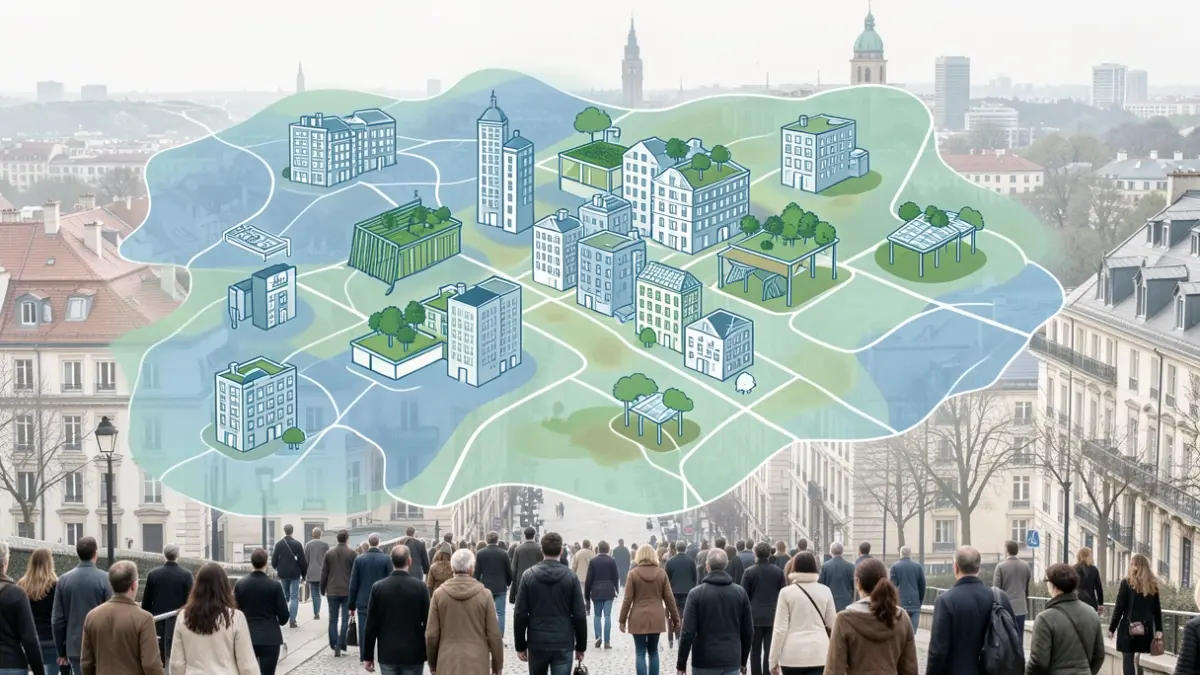
By cross-referencing territorial data, building stock characteristics, and climate evolutions, the Alec's analysis has helped to better define current demand and anticipate its evolution by 2050. The work highlights the importance of acting on the various factors influencing cooling needs. Understanding these factors allows for planning the most virtuous response, adapted to the territory and prioritizing passive solutions before resorting to air conditioning.
Beyond the case of Bordeaux Métropole, the approach developed by the Alec can be adapted to other territories in Gironde. The objective is to provide collectivités with analytical elements to identify the most concerned sectors and buildings, better target their interventions, and anticipate the consequences of climate change on cooling needs.