
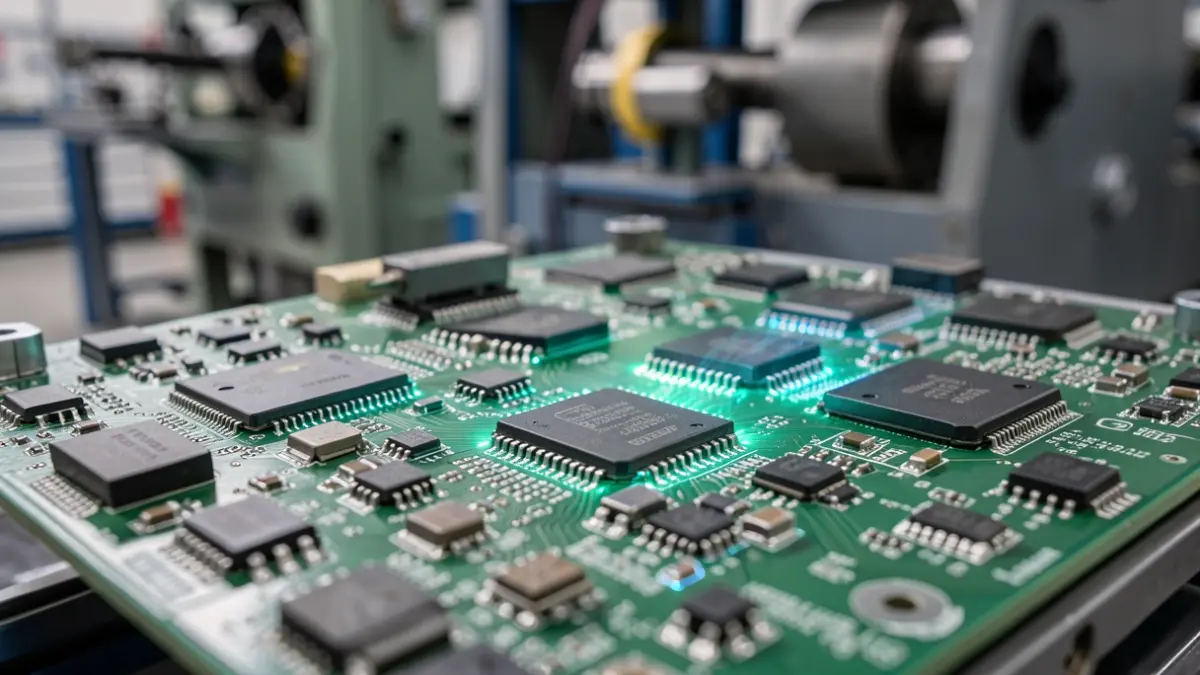
The CIRCUIT4EU project aims to enable selective management of Critical Raw Materials (CRM) and Strategic Raw Materials (SRM) contained in Printed Circuit Boards (PCBs), Permanent Magnets, and Electronic Components. The goal is to create a WEEE-based circular value flow for reuse, refurbishment, and recycling.
CIRCUIT4EU targets 11.6% of overall CRM and SRM contained in WEEE in Europe. Innovations will be piloted across 4 WEEE product groups: laptops, Wifi-boxes, e-scooters, and dishwashers, focusing on their key CRM & SRM components (PCBs & PMs) and their electronic components.
The project supports the domestic Critical Raw Materials (CRM) & Strategic Raw Material (SRM) retainment as identified in the EU CRM Act (EU 2024/1252). It supports the 2030 benchmark to obtain 25% of annual consumption from recycling sources. CIRCUIT4EU's focus is to support achieving these goals and the wider strategic aims focusing on CRM and SRM management of WEEE.
The focus on WEEE is critical right now because the revision of the WEEE Directive 2012/19/EU is about to start. Regulatory changes, to be decided in the next 3 years, will be a once-in-15-years opportunity to solve CRM and SRM management in WEEE by aligning technology, market, operations, and investment in WEEE management with the strategic EU CRM Act goals.
The project is supported under HORIZON-CL4-INDUSTRY-2025-01-MATERIALS-61, with EU Project Ref: 101294454. It involves 1 partner and has a duration of 42 months.