Once dominated by a castle belonging to the Bishop of Limoges, the district symbolized ecclesiastical power over the valley. The motte castrale, located on high ground, recalls this defensive function of surveillance. The castle was partially destroyed during the Hundred Years' War.
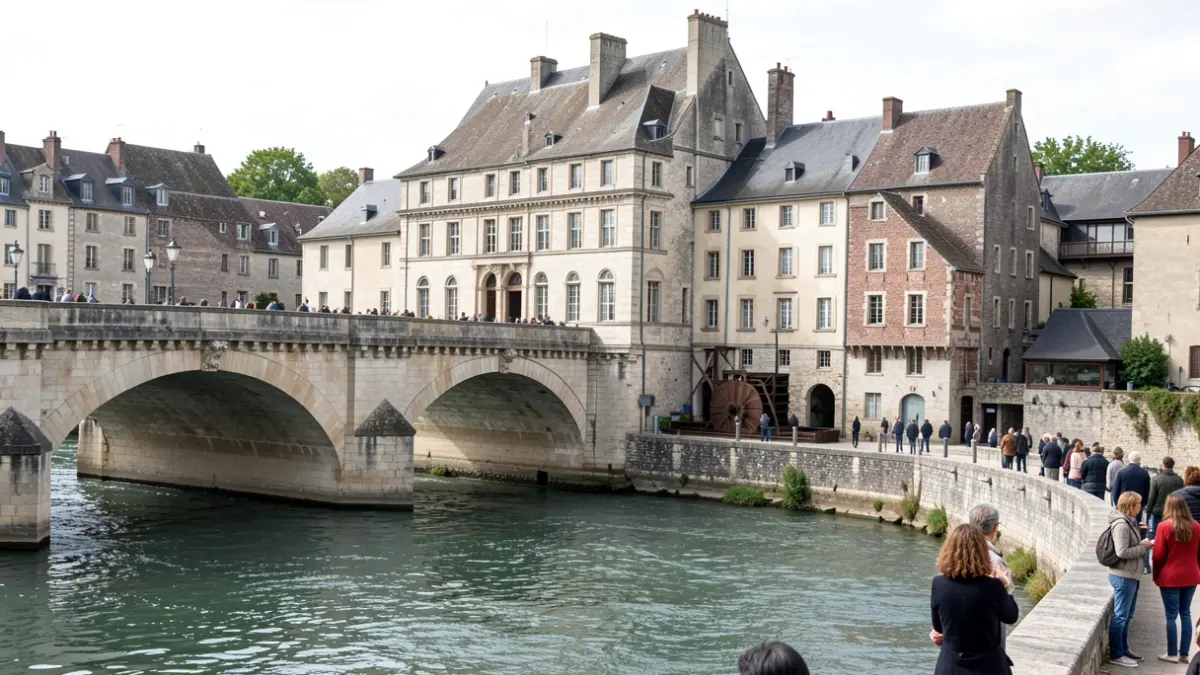
From the 11th century onwards, the suburb developed around the crossing of the Vienne river. The stone bridge, built around 1270, holds a central place in the history of this location.
The mills, situated by the water, bear witness to the district's working-class activity. The river's force contributed to the prosperity of Saint-Léonard, particularly through the tanning mills that prepared leathers. Local products, such as fabrics and leathers, fueled trade extending beyond the Limousin region.
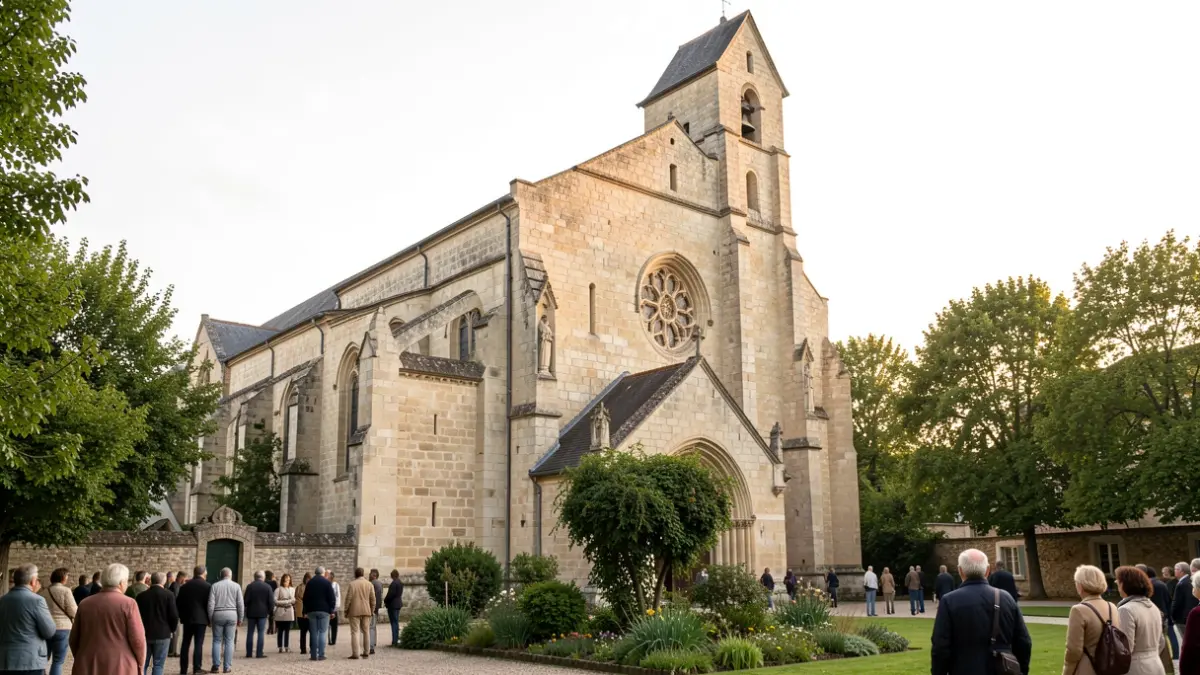
The tour also led visitors to the Saint-Martial church. The presence of a parish church from the late Middle Ages underscores the importance of this suburb, which had the appearance of a true town.
This visit, guided by the association Connaissance et Sauvegarde de Saint-Léonard, allowed for a rediscovery of local heritage, from ancient facades to bridges, including the mills and the church.