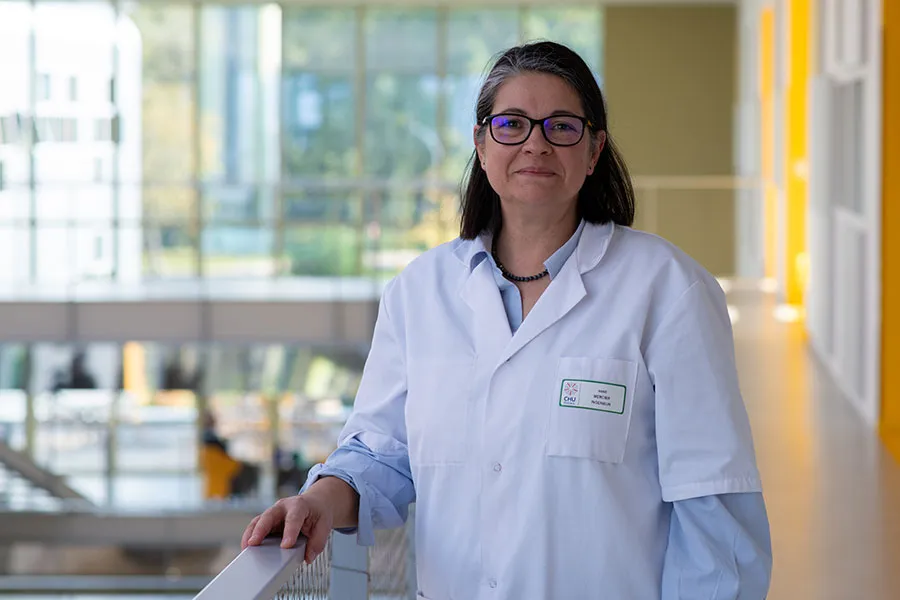
At the CHU of Poitiers, doctors, biologists, and support professionals are combining their skills to better understand rare diseases and certain cancers. Anne Mercier, genomic pathway coordinator, oversees the steps of this process. For rare diseases, this mobilization aligns with the objectives of the fourth national rare disease plan, aiming to facilitate diagnosis and improve patient support.
Analyzing DNA, which carries genetic information, can sometimes provide answers for individuals who have lived with symptoms for years without a diagnosis. Genome sequencing involves reading the succession of 'letters' to search for variations that might explain the illness. These tests are offered in specific situations after specialist discussion. For certain rare diseases, they can help identify the condition and adapt follow-up. In oncology, studying a tumor's DNA can, in some cases, guide treatment choices, distinct from searching for hereditary cancer predisposition.
Since September 2023, Anne Mercier, holder of a doctorate in biology, has been the genomic pathway coordinator within the clinical genetics department of the CHU of Poitiers. She works under an agreement with the healthcare cooperation group AURAGEN, which manages a genome sequencing platform, and supports teams in Vienne, Deux-Sèvres, Charente, and Charente-Maritime.
Multidisciplinary consultation meetings at the CHU of Poitiers bring together the necessary expertise to discuss cases. Before testing, discussions focus on symptoms, previous analyses, and family history to determine the relevance of sequencing. Anne Mercier prepares these discussions with the teams and ensures the dossiers are complete, coordinating sample collection, monitoring analysis progress and deadlines, and helping to resolve organizational difficulties, acting as a liaison between prescribers, laboratories, and the platform.
With over 340 genome sequencing prescriptions for rare diseases in 2025, the CHU of Poitiers plays an active role in providing access to these tests in its region. Its clinical genetics department supports prescribers in constructing requests and discussing results.
Reading DNA is not enough to establish a diagnosis; identified variations must be correlated with the patient's observed signs (genotype-phenotype correlation). Discussions at the CHU of Poitiers involve physicians familiar with the patient, geneticists, and biologists. They assess if clinical signs match the suspected disease, if the mode of transmission is compatible with family history, and if further investigation is needed. These exchanges help refine hypotheses and define next steps. The pathway coordinator facilitates information flow for this collective reflection.
Before analysis, patients receive information about the objectives, limitations, and potential implications of the results for informed consent. When a genetic cause is identified, the team explains what it means for follow-up and treatment. Genetic counseling may be offered to clarify potential consequences for the family. Families can meet Aurore Brun and Sarah Bertin, genetic counselors, and Karine Lebreton, psychologist, as needed.
The fourth national rare disease plan (PNMR4), launched in February 2025, prioritizes diagnostic access and pathway coordination, strengthening the link with the France Genomic Medicine 2025 plan. The organization at the CHU of Poitiers aligns with these ambitions, combining specialized technology, clinical expertise, and professional discussions for rare diseases, hereditary cancer predispositions, and certain cancers.
Within the France Genomic Medicine plan, requests are validated in multidisciplinary consultation meetings. The clinical genetics department centralizes requests from rare disease competence centers. Contacts include Dr. Gwenaël Le Guyader for rare diseases, Dr. Tanguy Niclass for hereditary cancer predispositions, and Dr. Camille Evrard for adult solid tumors. Anne Mercier coordinates the pathway.