Facing the rise of oral treatments in oncology, which ease patients' daily lives but cause specific toxicities, the Poitiers University Hospital has deployed a telemonitoring system. Initiated by Dr. Aurélie Ferru, an oncologist, this project aims to provide rigorous home monitoring, allowing for early detection of side effects and symptom management.
This system, succeeding traditional telephone follow-ups by nurses, utilizes validated applications and questionnaires. Studies show that telemonitoring secures treatment administration, reduces severe side effects and emergency room visits, and may even improve overall patient survival. This system is now financially supported and has market authorization for several applications.
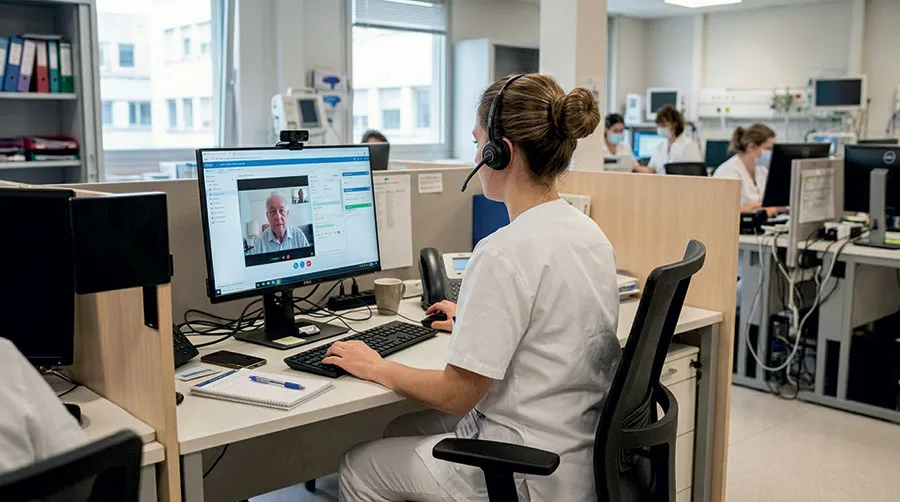
Daily operations involve two full-time equivalent oral therapy nurses. Eligible patients download a personalized application, complete questionnaires at set intervals, and their responses trigger alerts (green, yellow, orange, red) on the nurses' dashboard. Red alerts require immediate intervention.
Key benefits include early detection of side effects, better therapeutic adherence due to feeling heard, and more efficient prioritization by care teams. The system ensures complete traceability of care and complies with CNIL and RGPD requirements.
Despite initial concerns about depersonalization, the tool is now well-accepted and complements healthcare professionals' actions. The Cureety solution was chosen for its added value, including diverse support content. The digital divide is addressed through adapted telephone follow-ups for patients unable to use the application.
Poitiers University Hospital, a pioneer in this field, now plans to extend telemonitoring to patients receiving intravenous chemotherapy, pending dedicated nursing time.