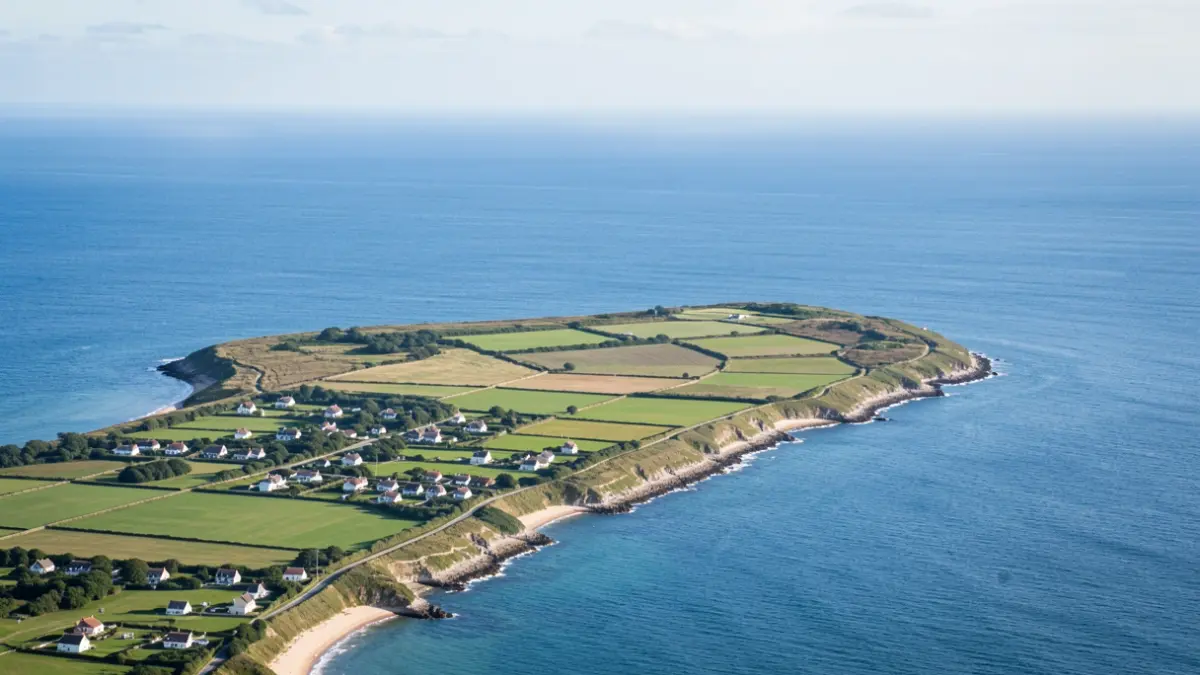
The Île d'Oléron, currently 30% dependent on petroleum products, has been chosen as part of the national "100 Electrification Territories" program. This selection aims to support the Community of Communes in its ambition to achieve energy autonomy by 2050, a goal already initiated by the "Plan Climat d’Oléron" established in 2023.
Concrete projects already illustrate this commitment, such as SOLAIR’IO. This collective self-consumption photovoltaic project, set to become operational in 2026, will cover up to 40% of the electricity needs of around a hundred public sites on the island.
Thanks to this national recognition, the Community of Communes will be able to intensify the electrification of housing, mobility, and economic activities. Targeted support for phasing out domestic fuel oil and developing public fast-charging stations are among the planned measures.
Electric mobility will be developed for both land and sea transport, as well as for the community's services, such as summer shuttles or household waste collection. Local economic actors, including artisans, farmers, and fishermen, will also benefit from this transition. A storage solution for locally produced photovoltaic electricity is also under consideration.
"The inclusion of the Île d'Oléron among the 100 electrification territories recognizes the work accomplished and gives us the means to go further. Our island territory is particularly exposed to energy and climate challenges. Electrification is a structural response that creates local value, reduces our dependence on hydrocarbons, and lessens our climate impact," emphasizes Ms. Ford, Vice-President in charge of Energy and Climate.