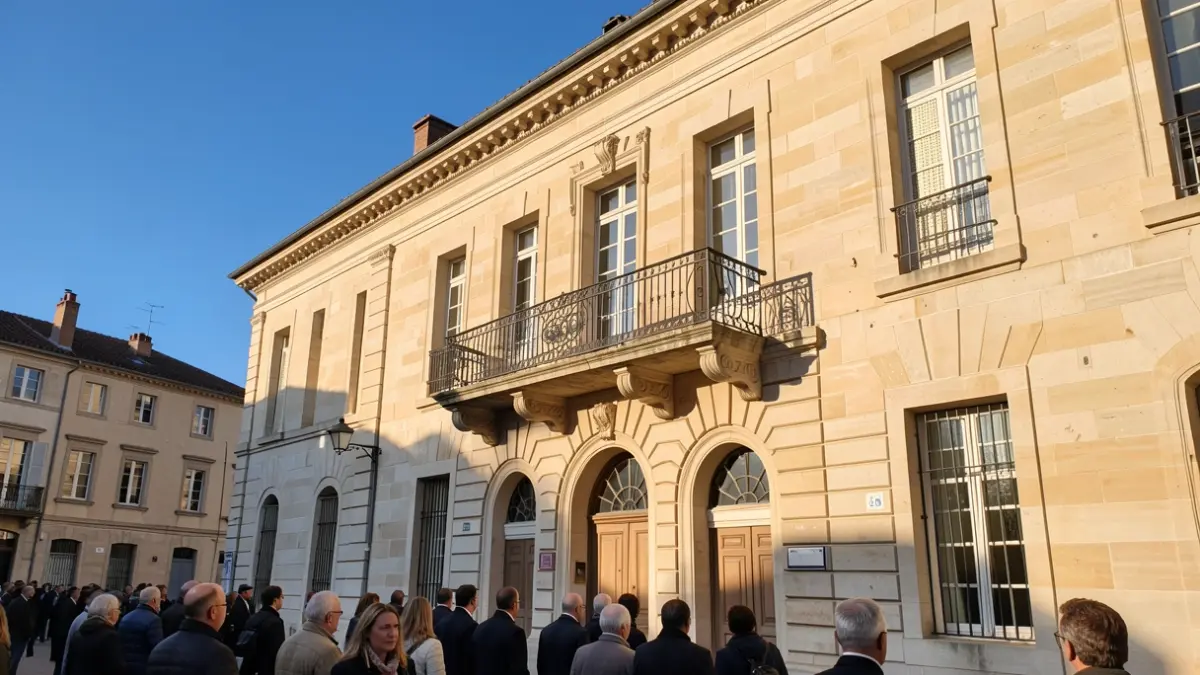
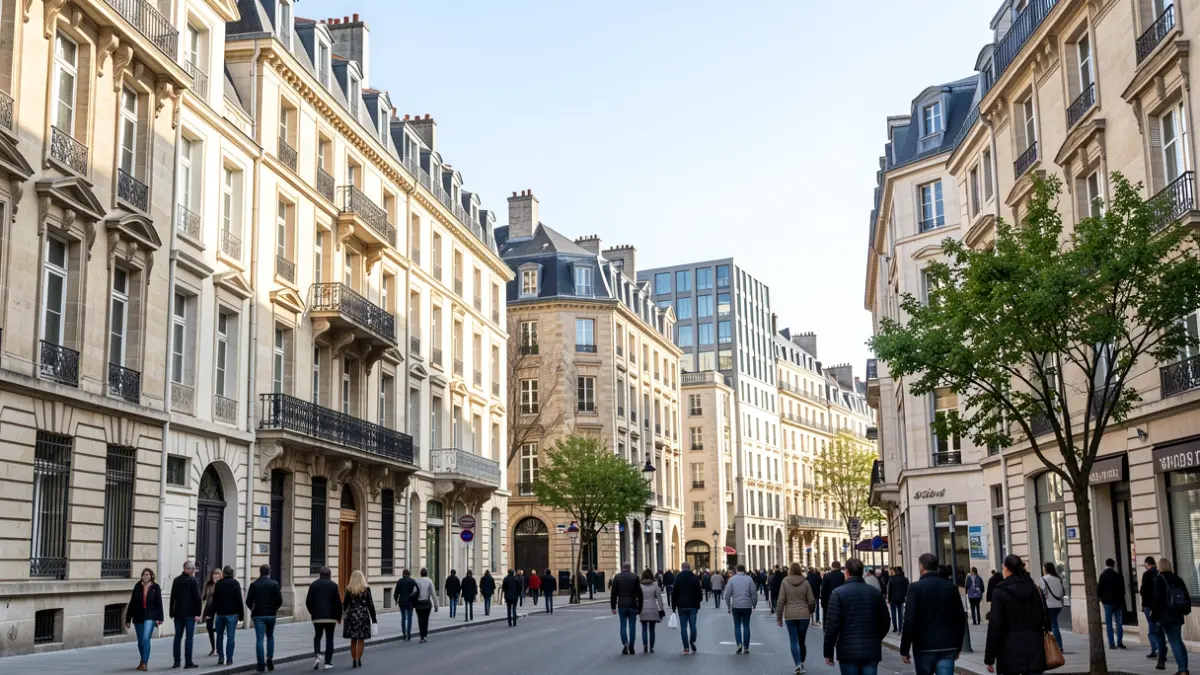
Bordeaux is particularly exposed to heatwaves due to its high concentration of mineral surfaces and less dense vegetation in the city center compared to other metropolises like Lyon or Nantes. The preservation of the "stone city" within the UNESCO perimeter may have limited new plantings in recent decades.
Greening efforts have gained momentum more recently, starting in 2020 with the "million trees" initiative. However, planting in an already built-up city on artificialized soils presents difficulties. The temperature difference can be significant; moving from the city center to the Public Garden can lower the temperature by 3 to 4 °C, thanks to higher air humidity.
To adapt the city, Emmanuelle Bonneau identifies two main levers for local authorities: firstly, increasing greenery and water features; and secondly, renovating public buildings and social housing, particularly through external insulation to improve thermal comfort.
However, the issue of affordable housing remains a challenge, as the social housing stock struggles to meet current needs. At the Gironde level, the concentration of the population in the metropolis also raises questions about available space and the room for vegetation.