On the occasion of the International Car-Free Day, celebrated on September 22nd, the importance of alternatives to individual car use is being emphasized. This day serves as a reminder of the need to develop collective, accessible, and territory-adapted transport solutions.
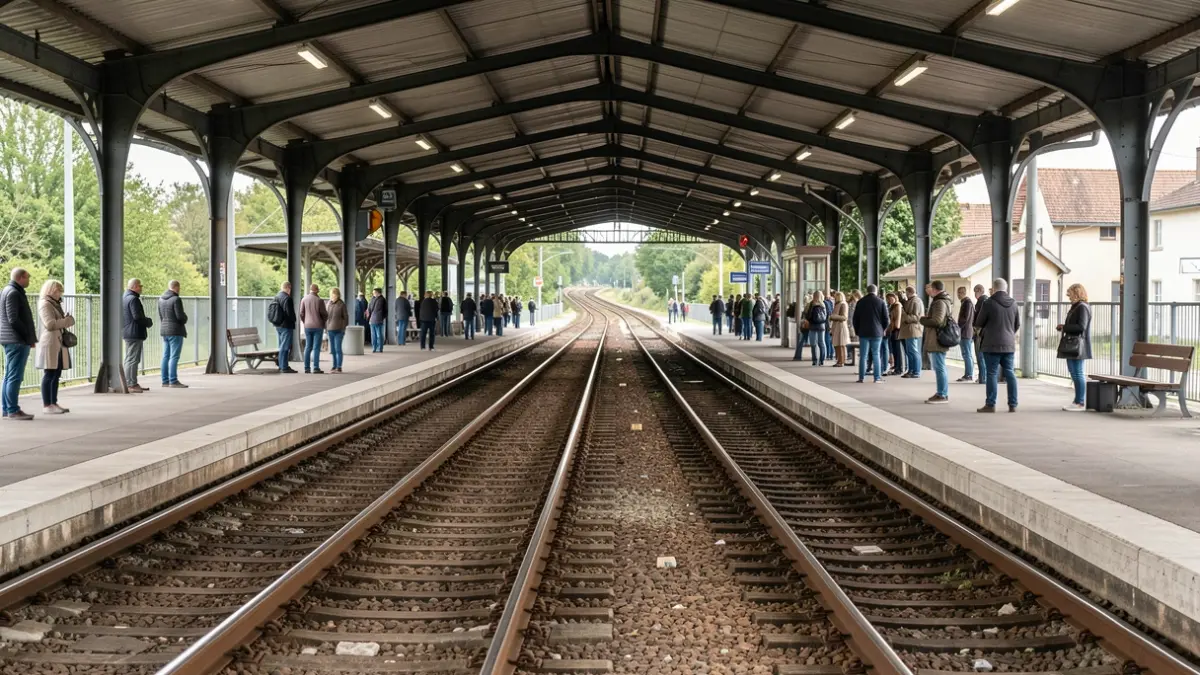
In the South-West of France, the development of rail transport is seen as a major lever for this mobility evolution. The South-West New Line (LNSO) will play a key role in strengthening rail connections between the Nouvelle-Aquitaine and Occitanie regions.
By creating new capacity on the network, the project will enable an increase in rail traffic and improve train travel possibilities. Whether for daily commutes or travel between major urban centers, the enhanced rail offer provides a concrete alternative to individual cars.
The LNSO is part of a broader ambition to better connect territories while supporting the transition to more sustainable mobility. By reinforcing the rail network in the South-West, the project aims to open up areas, facilitate travel, and prepare the necessary infrastructure for future mobility needs.