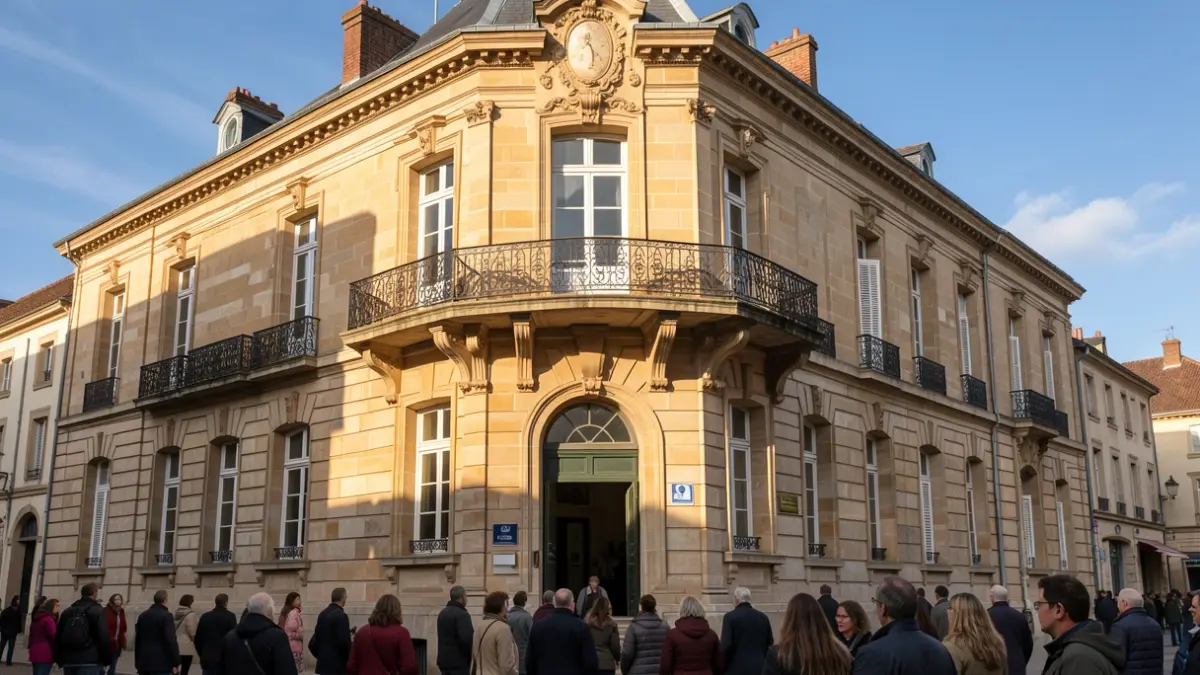
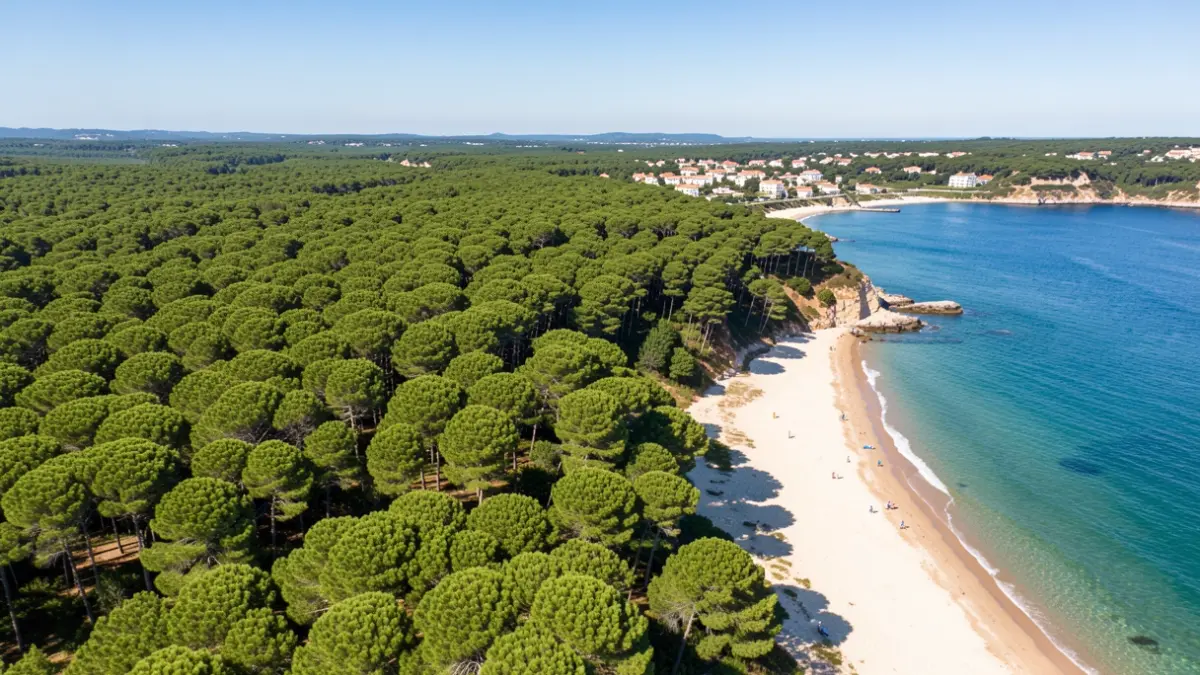
The Municipal Archives of Lège-Cap-Ferret highlight a historical document concerning the classification project of the Cap Ferret forest in the 1930s. This initiative aimed to preserve the site against a threat of total deforestation of the Lesca family's property.
The affair began with a letter from the president of the Touring-Club de France to the Prefect of Gironde on October 16, 1930, alerting about the deforestation planned by the Lesca family, which would harm the site's aesthetics and climate. Maurice Martin, a poet and journalist from Bordeaux, creator of the "Côte d’Argent" appellation, was behind this initiative.
Following this alert, the Prefect informed the mayor of La Teste about the opening of a classification process. The owners were prohibited from making any modifications for six months, in accordance with the law of May 2, 1930, which reorganized the protection of natural monuments and sites.
The plots in question, belonging to the heirs of Léon Lesca (Georges, Frantz, and Marie Lesca épouse Bordes), covered a clearing area of 200 hectares. Georges Lesca explained that the felling of the pines, aged 109 to 111 years, was scheduled for November 1, 1930, to regenerate the forest and provide income. A strip of 100 to 200 meters of pines along the Basin's edge was to be preserved.
Raoul Brun, a merchant who purchased the timber for 1,550,000 francs, emphasized the urgency of the felling to fulfill contracts, particularly with the Compagnie des Chemins de Fer du Midi. He warned that he would claim 600,000 francs in damages if there were losses.
Pierre Dignac, mayor of La Teste and deputy of Gironde, supported the owners, highlighting the importance of the resin tapping industry for local resin tappers. The Conservator of Waters and Forests also defended the Lesca siblings, deeming the term 'deforestation' inappropriate and referring to it as 'current exploitation'.
The departmental commission for sites and natural monuments, during its session on November 4, 1930, advised proposing the classification of the 100-meter forest strip along the Basin's edge, while authorizing the clear-cutting of trees sold to Mr. Brun, considering their age and the concessions made by the owners.
However, Georges and Frantz Lesca reiterated their protests against a new classification process in November and December 1930, considering the procedure arbitrary and unfair. They threatened legal action.
Finally, an agreement was signed on October 9, 1941. The Lesca brothers committed to maintaining a 100-meter wooded zone along the Basin's edge, under the supervision of the Waters and Forests service, while the State renounced the planned classification. This commitment ensured the perpetual protection of this wooded area.